

COMMUNITY ART
Together we make heritage visible
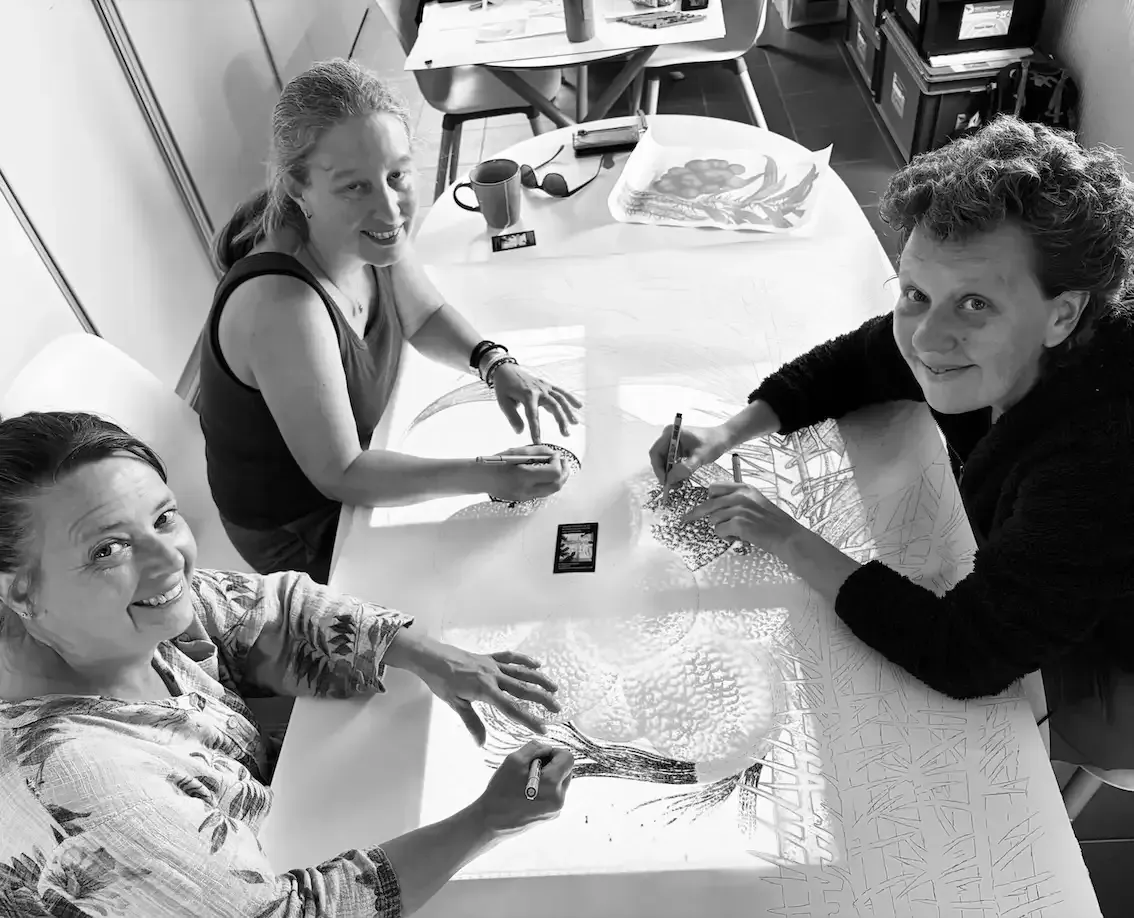
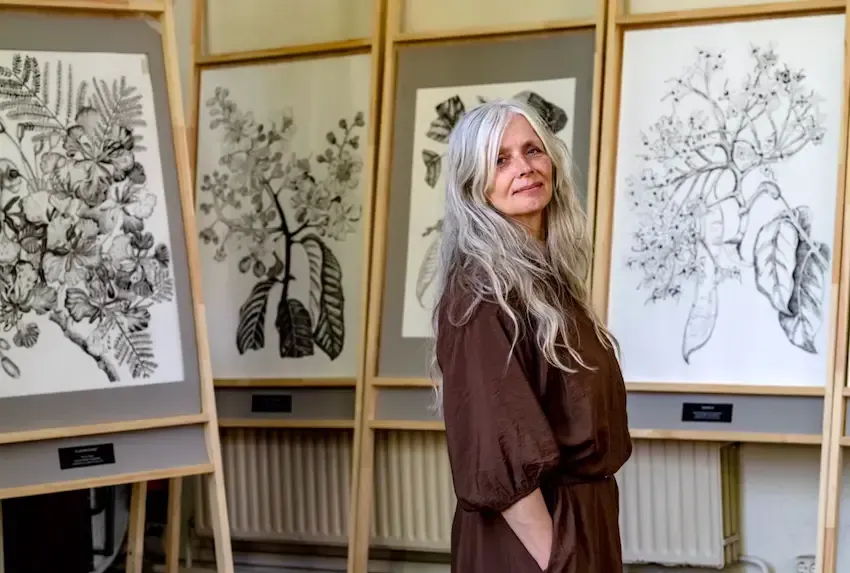
Marian van Weert, artist, researcher, and initiator of the Botanical Biography of the Netherlands.
#1. Botanical heritage: a rich source of inspiration
Heritage tells us where we come from. It connects people, places, and generations. But heritage only truly comes alive when people become part of it themselves.
That is why I develop Community Art projects in which botanical heritage, artistic research, and co-creation come together. Not by merely viewing heritage, but by collectively reimagining it. Dozens or hundreds of people work together on a single monumental artwork. In this way, not only new artworks emerge, but also new encounters, conversations, and connections.
#2. Together we create the Botanical Biography of the Netherlands
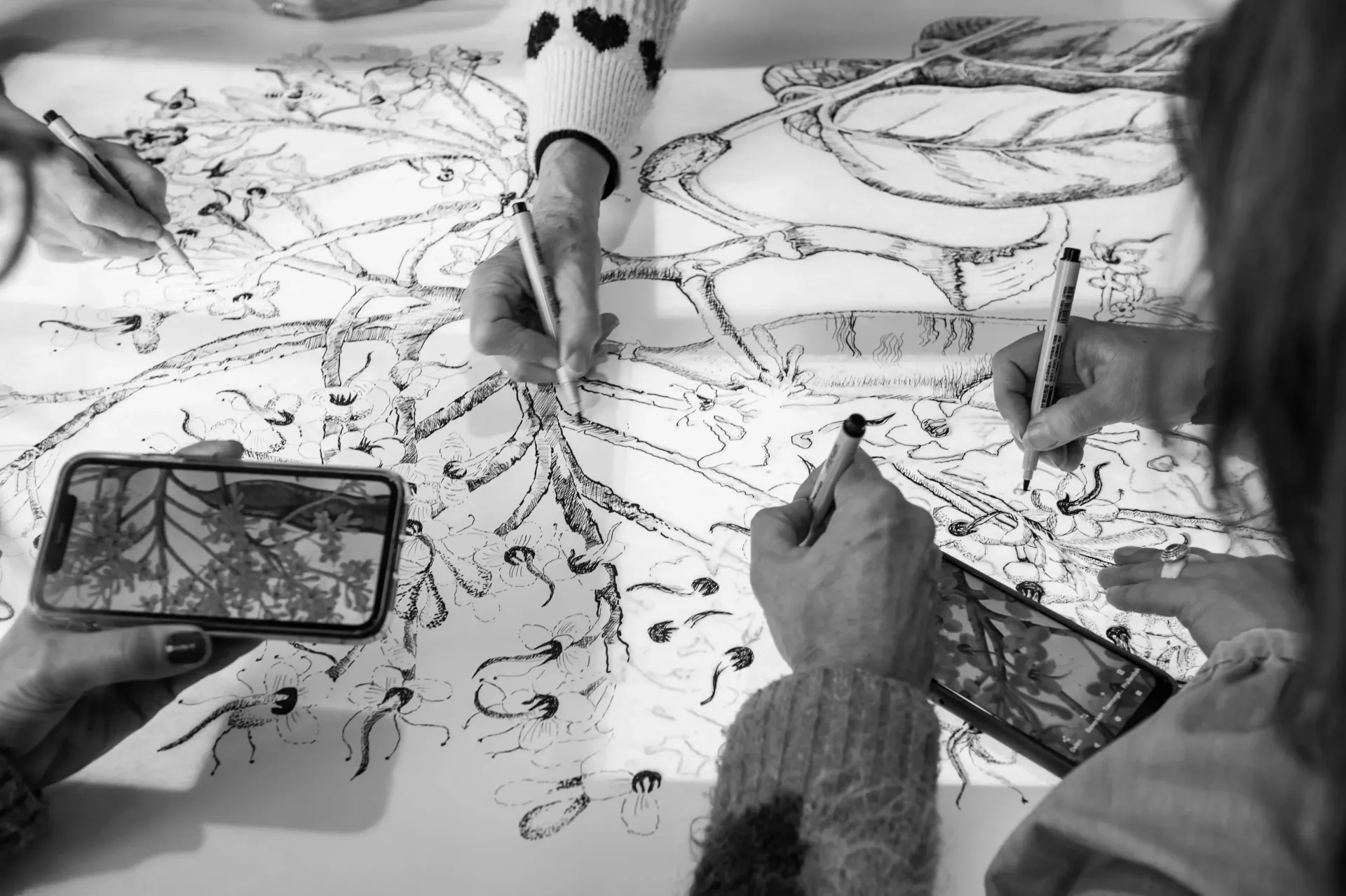
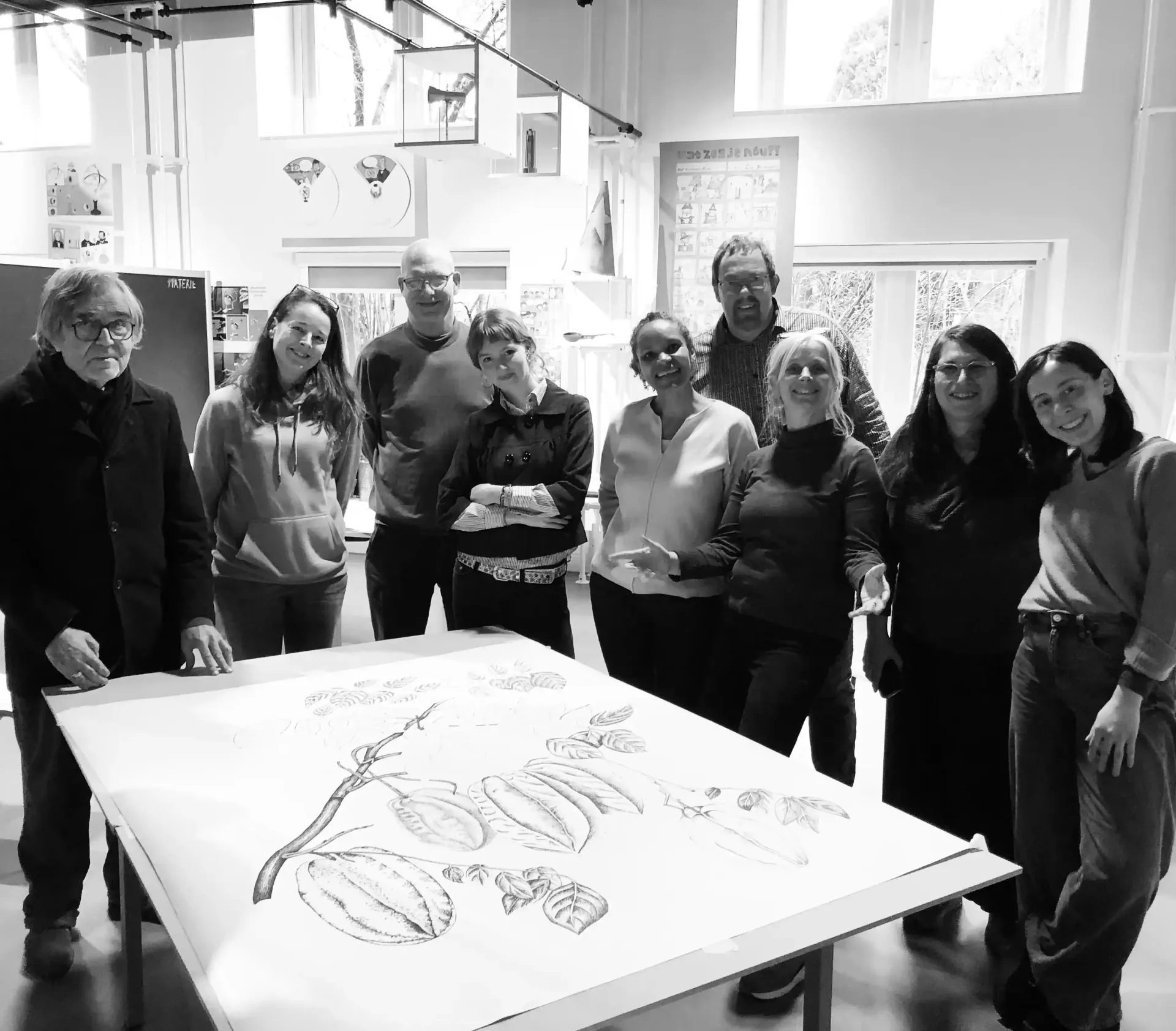
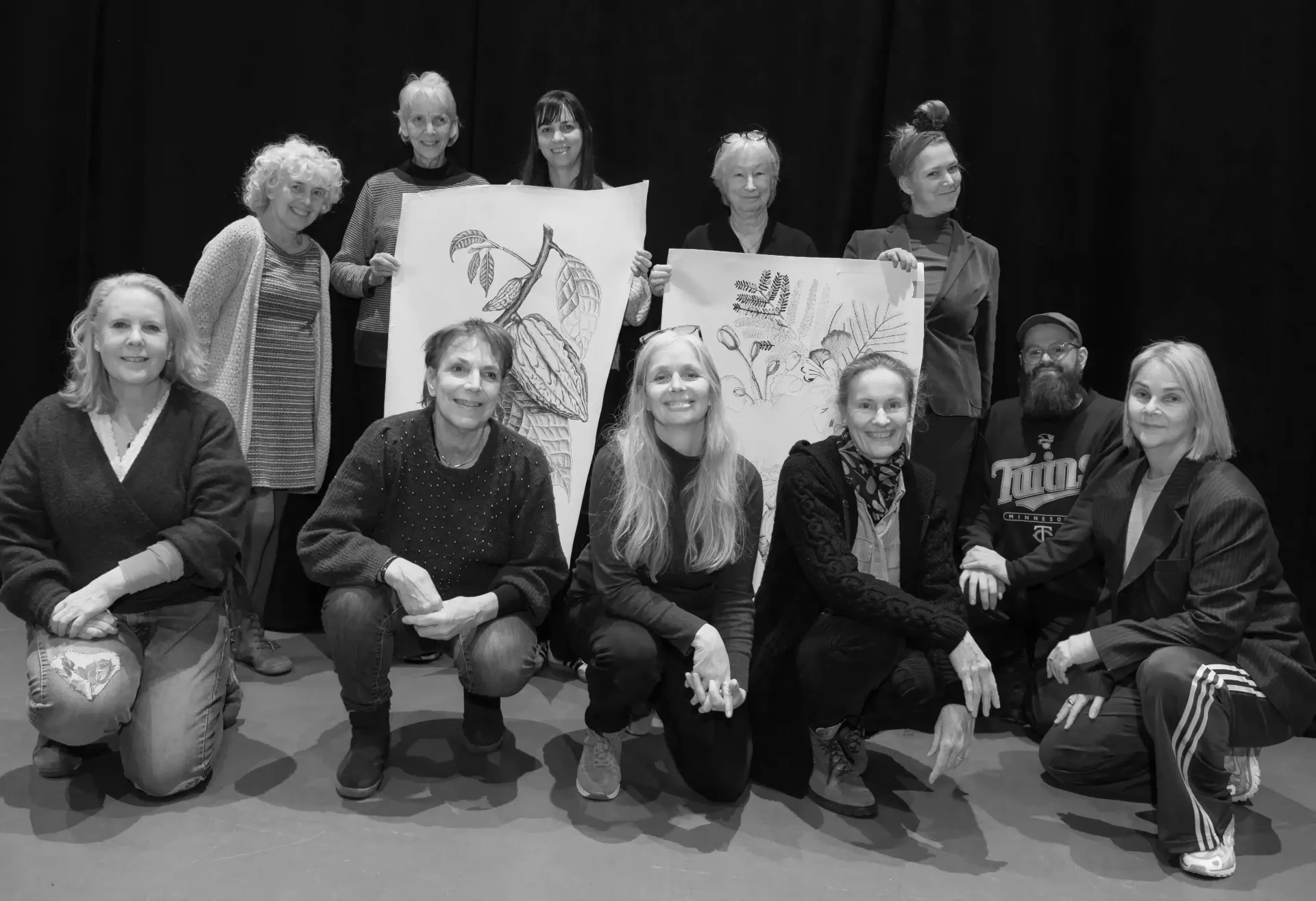
During the Community Art Sessions, you contribute to a contemporary interpretation of remarkable botanical heritage. We draw inspiration from historical botanical drawings, but together we create a new artwork in which different drawing styles are visible.
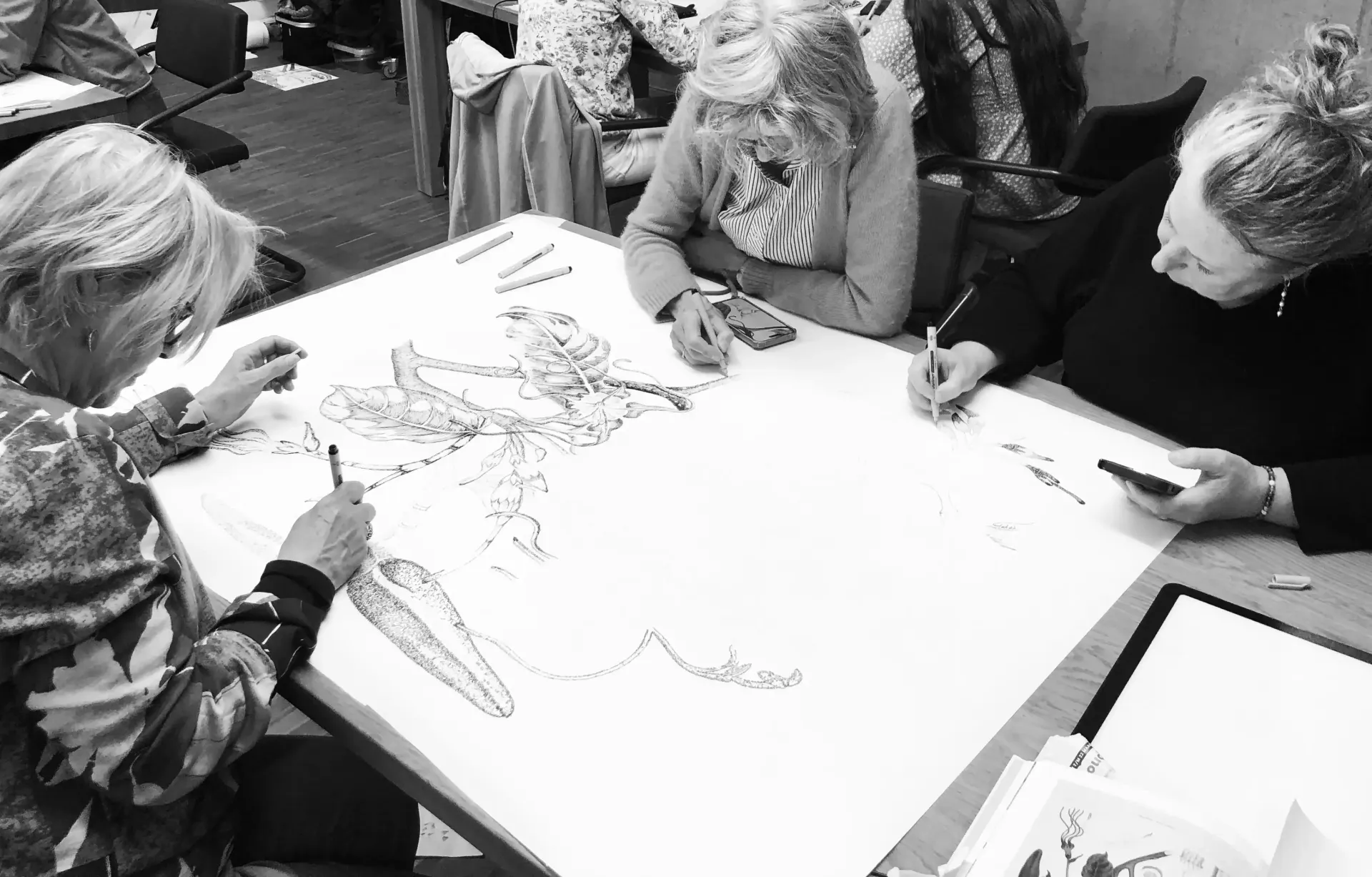
It is not a traditional workshop where everyone works exclusively on their own piece. As a co-maker, you participate in a larger collaborative art project: the Botanical Biography of the Netherlands.
After the professional digitization and the joint exhibition, the original artwork you worked on can be taken home.
#3. Building on four hundred years of botanical art
The major work was already done some one hundred to four hundred years ago. The original artist drew the plant from life: by studying it attentively and capturing it as accurately as possible.
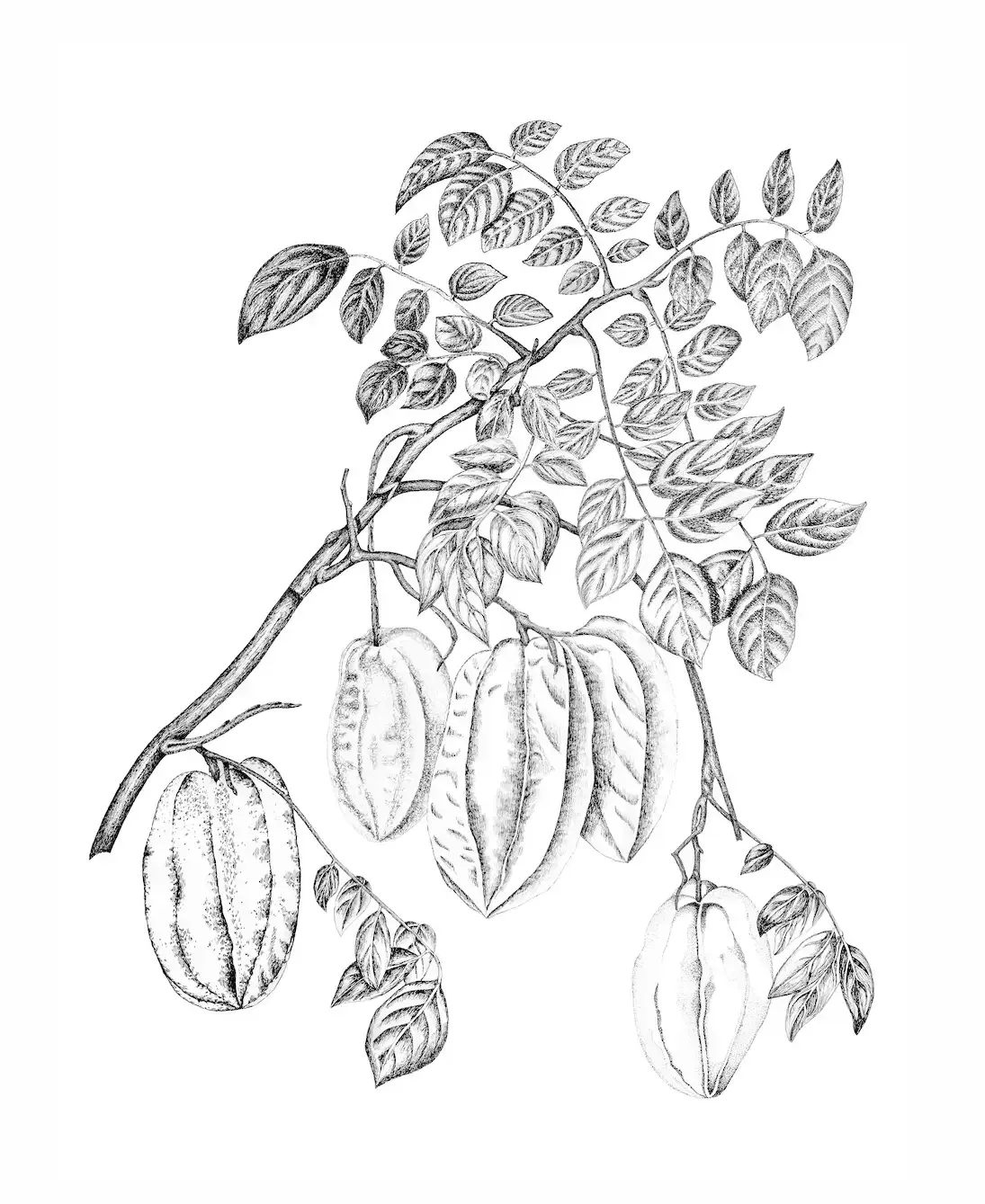
We use the historical contours as a starting point. Not simply to copy the original work, but precisely to make both the plant and the botanical heritage visible again.
With pen, textures, light, and shadow, we add a new layer: a contemporary imagination that gives space to the story behind the plant, the artist, and the time in which the work was created.
#4. Grandly drawn
We work on a large scale, because this special botanical heritage deserves to be seen.
By greatly enlarging the historical images, even the smallest details become visible and the plants take on a monumental appearance.
In this way, the artworks attract the attention of a broad audience and invite visitors to come closer, look more closely, and discover the stories behind this special heritage.
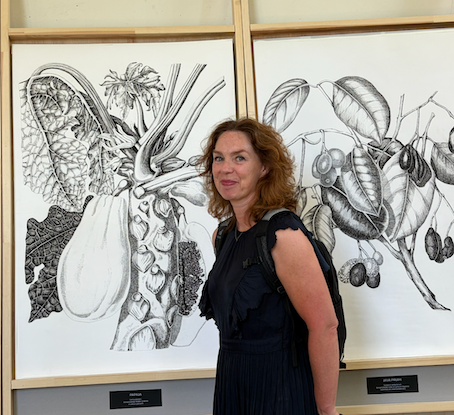
Illustrator: Marloes Kormelink
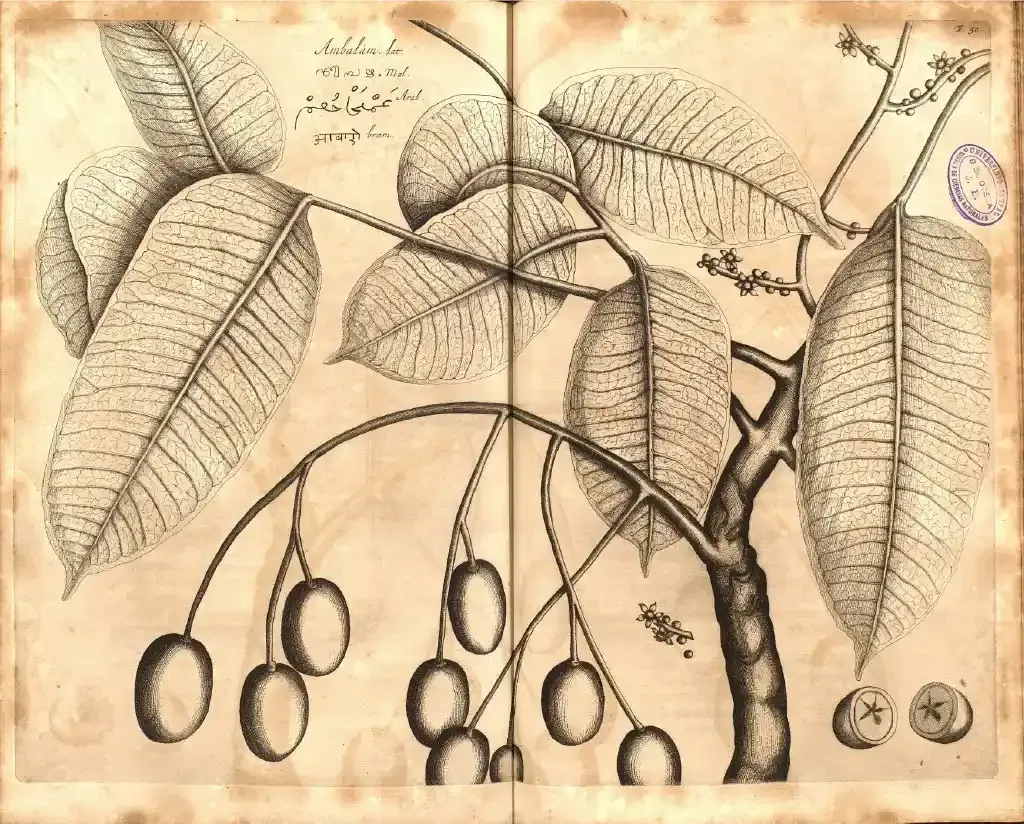
We will be starting soon with:
#5. The Malabar Garden
a cross cultural botanical masterpiece made in India
From September 12 to November 1, 2026, we will be working on a contemporary depiction of the Hortus Malabaricus every Saturday and Sunday.
#6. Everyone can participate!
“As a child, I drew a lot.” “I am not very good at drawing.” “I would like to draw more often, but I don’t get around to it at home.”
These are statements I hear often. And that is precisely why these group drawing sessions exist. You don't have to be an experienced artist: everyone is welcome!
The day begins with coffee and healthy tension. As we draw, dedication, calm, and trust emerge. And when we stand the large drawing upright at the end of the day, everyone is surprised and proud of the result of drawing together.
That is the most beautiful moment of the day for me.
Contribution for one complete A0 artwork
ONE – € 135
You will independently create one botanical artwork.
TWO – € 70 per persoon
Together, you are the creators of one botanical artwork.
THREE – € 50 per persoon
You are working with three makers on one botanical artwork.
Material
All necessary materials are available during the session:
- the prepared botanical illustration
- tekenpapier Fabriano Accademia / 200 grams
- fineliners with lightfast, waterproof archival ink
- tools for transferring the image
- other techniques
- practice material
- coffee and tea
So you don't need to bring your own drawing materials.
Are you bringing your own lunch?
#7. Joint authorship
Your contribution is not an anonymous part of the project. Joint authorship is, in fact, an important principle of the Botanical Biography.
Your work:
- contributes to the creation of the Botanical Biography of the Netherlands
- is being displayed with your name during the joint exhibition
- is being professionally digitized
- becomes a digital part of the Botanical Biography of Utrecht and the Netherlands
- becomes visible on the website together with your name and story
- can be taken home after digitization and exhibition
- can be downloaded digitally via the site, after which you can have the drawing printed at a printing company in any desired size.
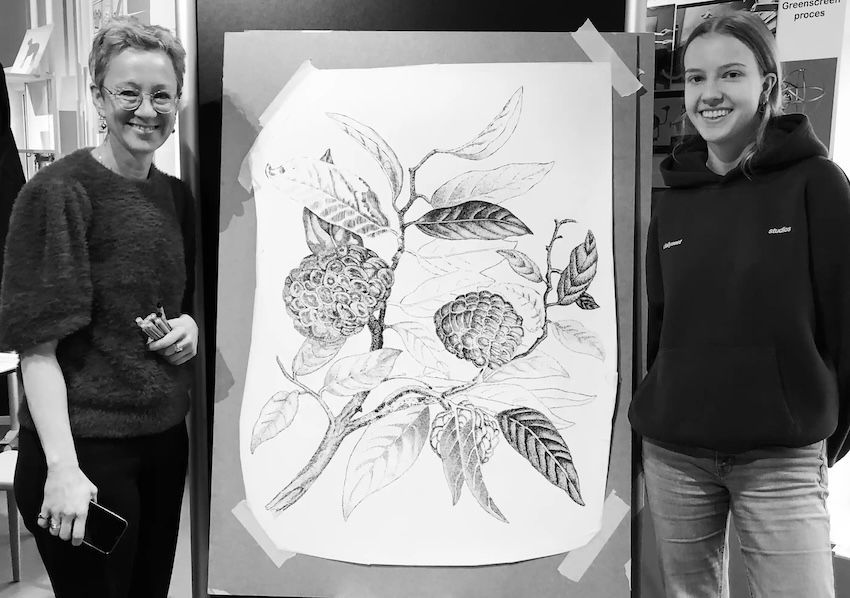
Together with my 16-year-old daughter, I joined in a drawing session in Utrecht. We were surprised by the techniques you can use to bring botanical flowers to life. First, Marian spoke passionately about Berthe's work, then we did a drawing warm-up, and after that, the real work. It was exciting and fun to do, and certainly great to see the result!
Kirsten Lyklama & daughter Rosa
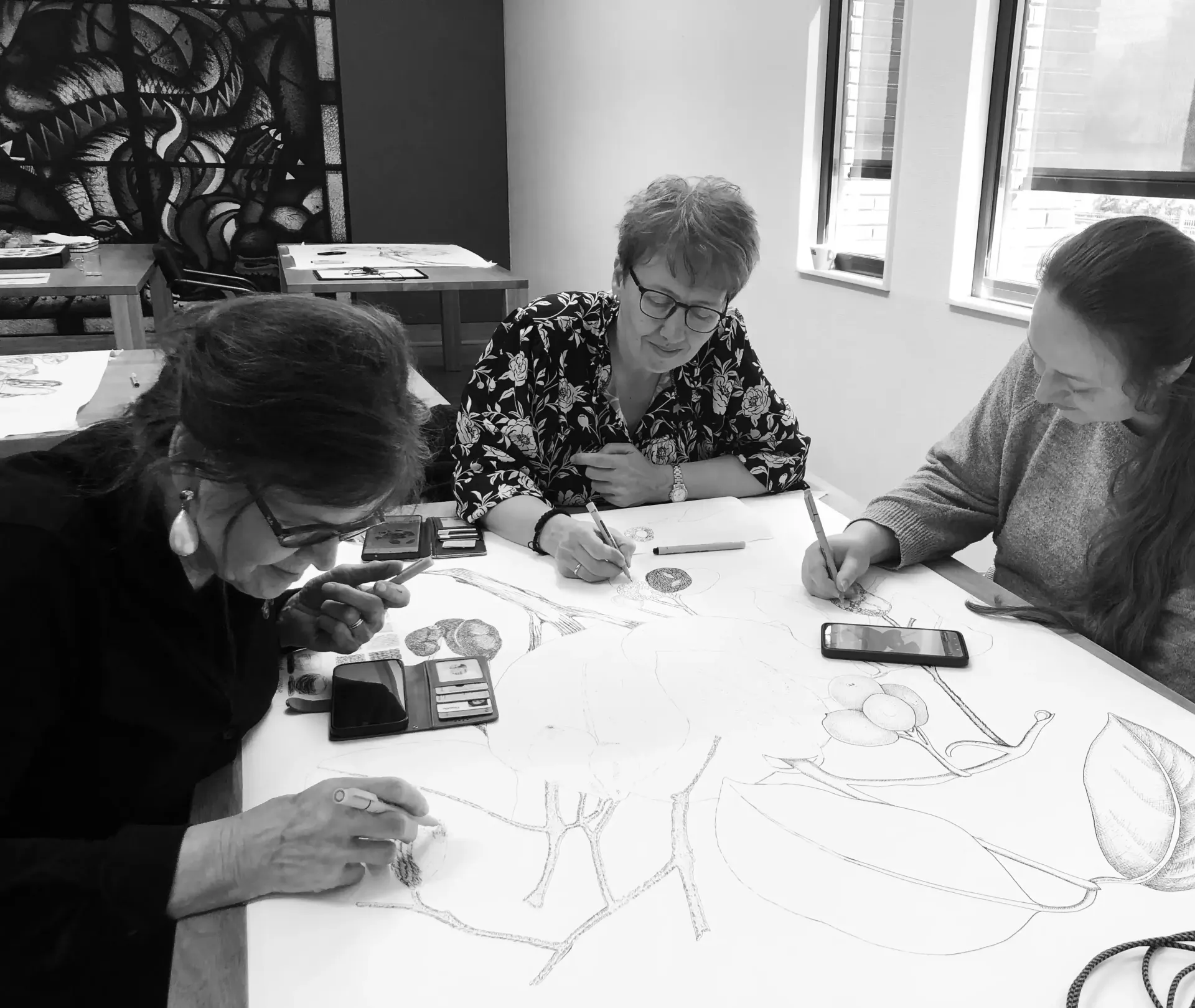
Good day, Marian.
I would like to express my admiration for what you have set in motion in the project the Botanical Biography of the Netherlands. I was speechless last Tuesday; all those beautiful drawings that were already there and were being worked on further, and the concentration and enjoyment of the participants.
I have only participated once, but it was a very pure experience. And what was so nice was that you didn't correct us, but actually appreciated what we did.
Thank you!
Anna Witten
# 8. Experiences of drafters
Read how participants experience collaborative drawing and what the creative process does to them.
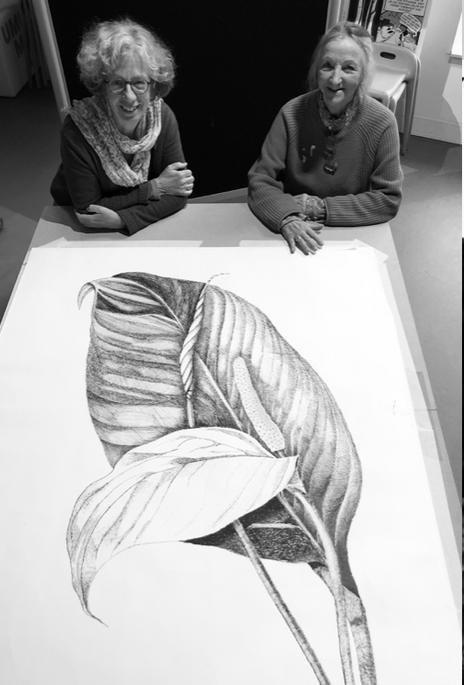
Participating in the Botanical Biography was a very special experience. As a tropical botanist, I was immediately interested, but initially didn't quite know what to expect. It turned out to be a very interesting combination of learning about various entrepreneurs and (female!) botanists within the context of our colonial past, as well as drawing techniques. It became an inspiring afternoon, ranging from cautious experimentation to free sketching, from initial nervousness to zen, from personal encounters and new stories, from creating art in diversity, and yet producing a unified whole.
Petra Hamers (left)
- Enjoy the art of making art together -