

MALABARIAN INDIAN GARDEN
1678 - 1703
A remarkable example of intercultural scientific collaboration,
in which Indian and European knowledge of plants complement each other.
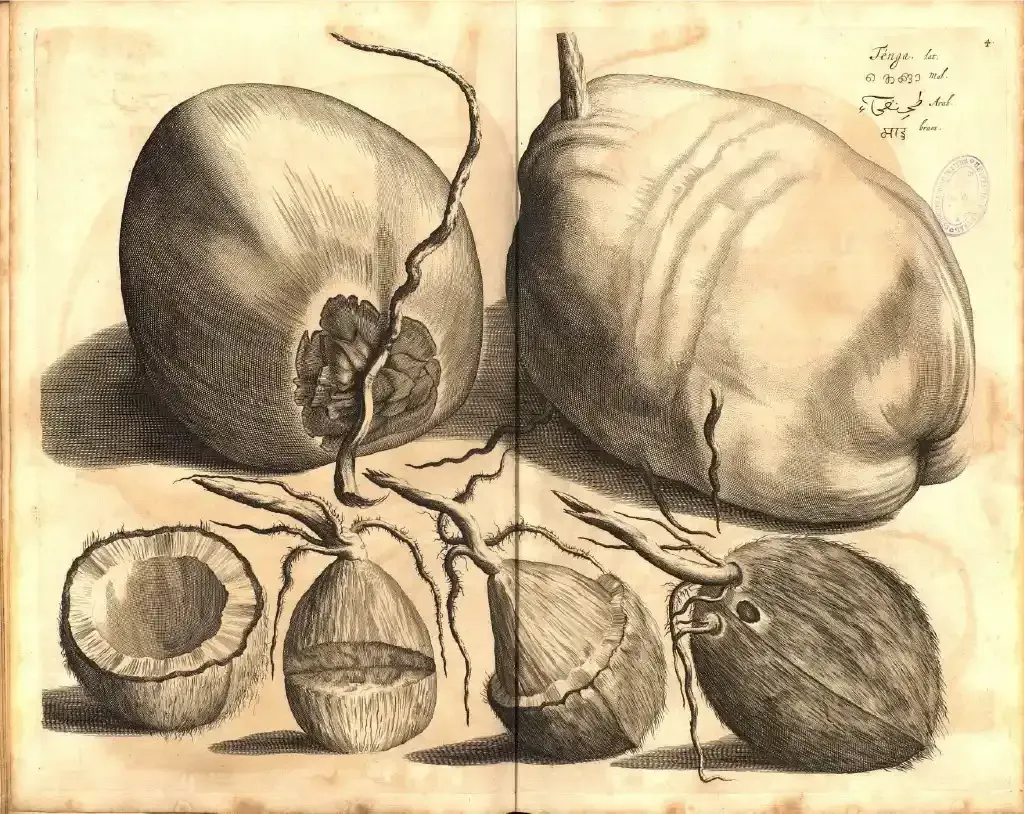
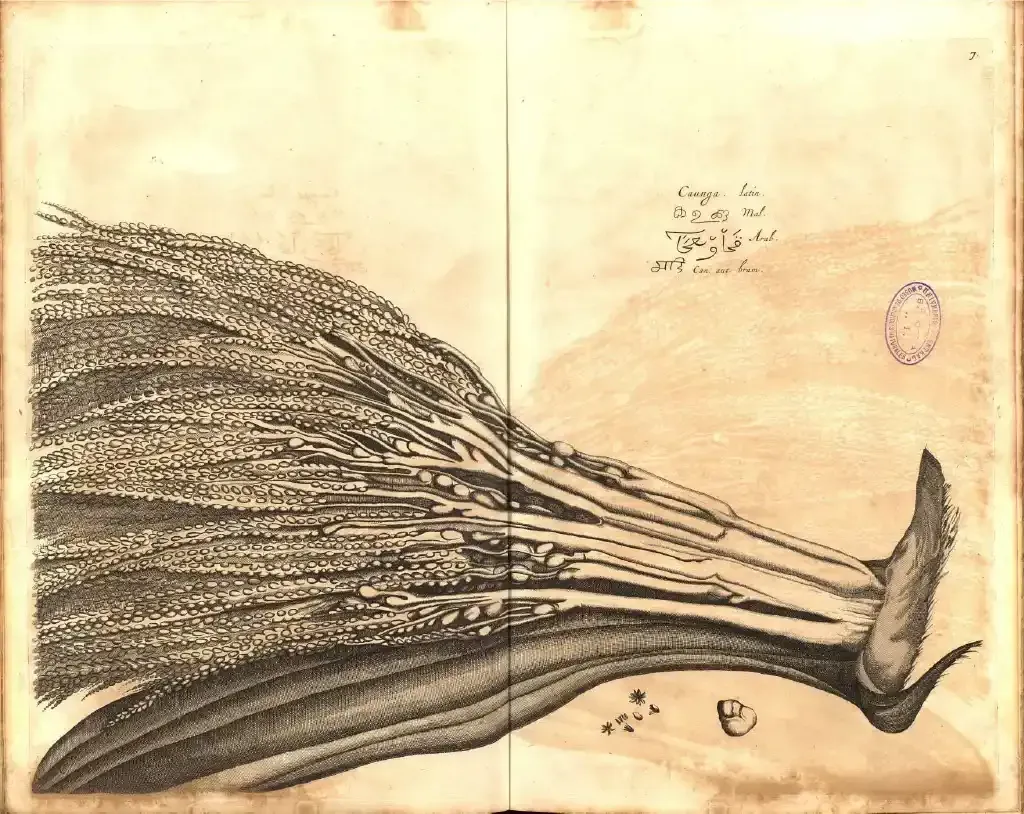
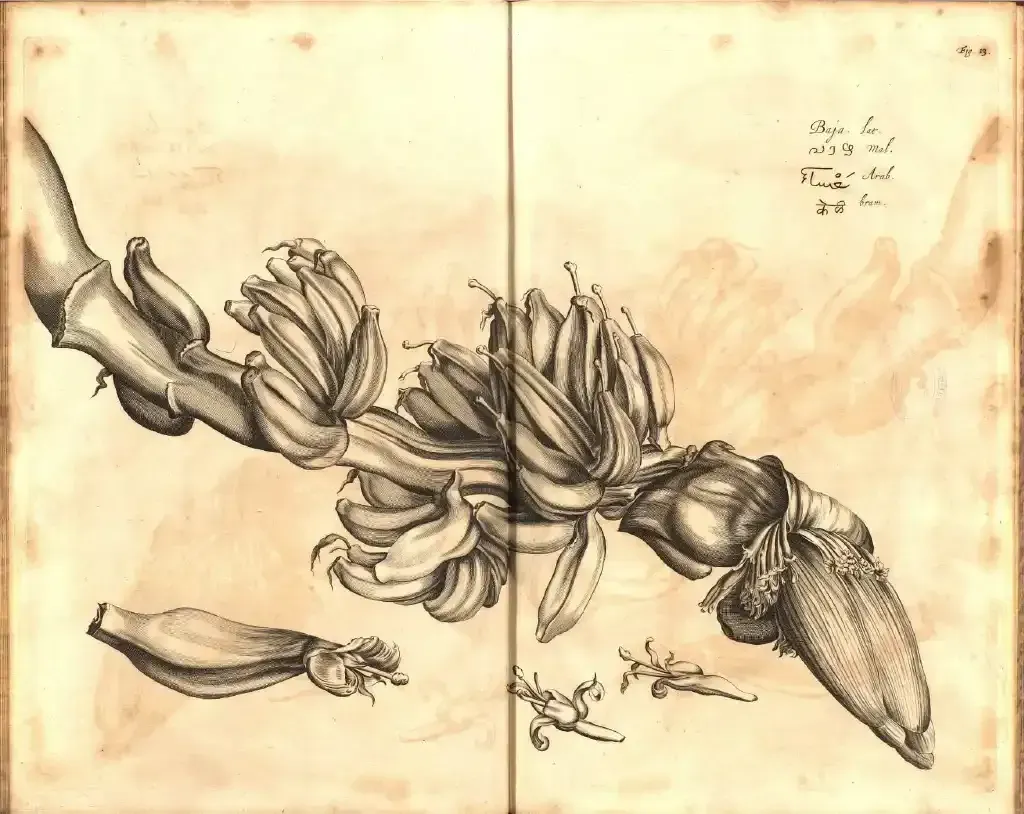
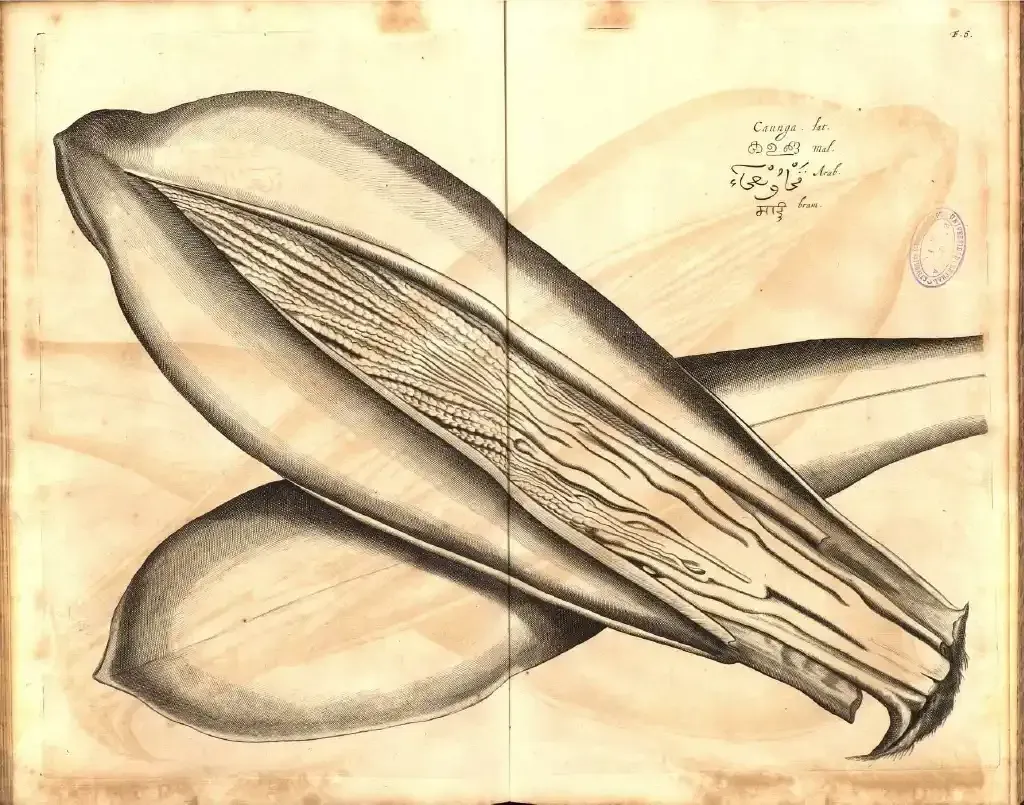
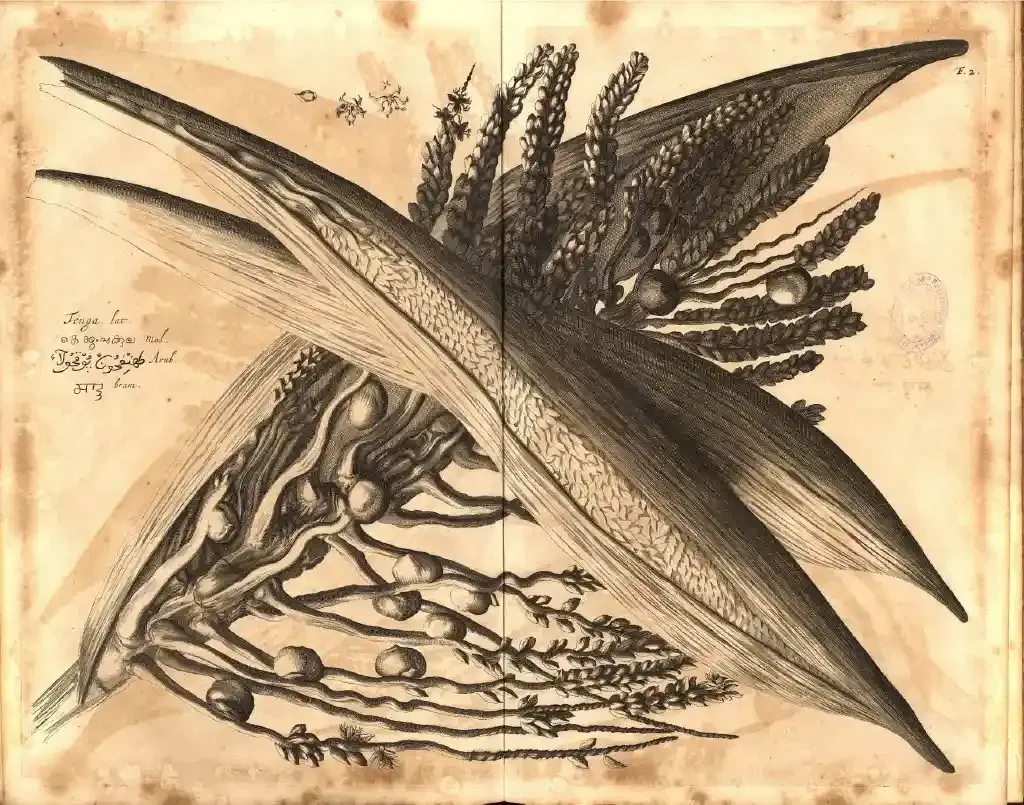
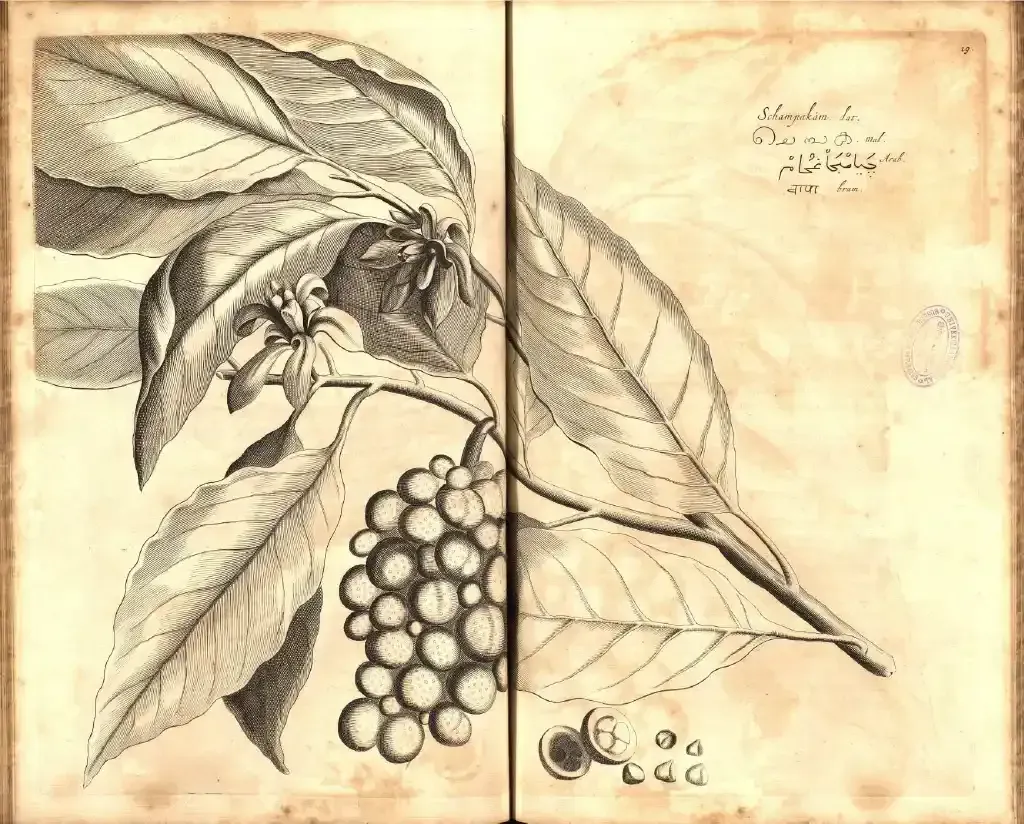
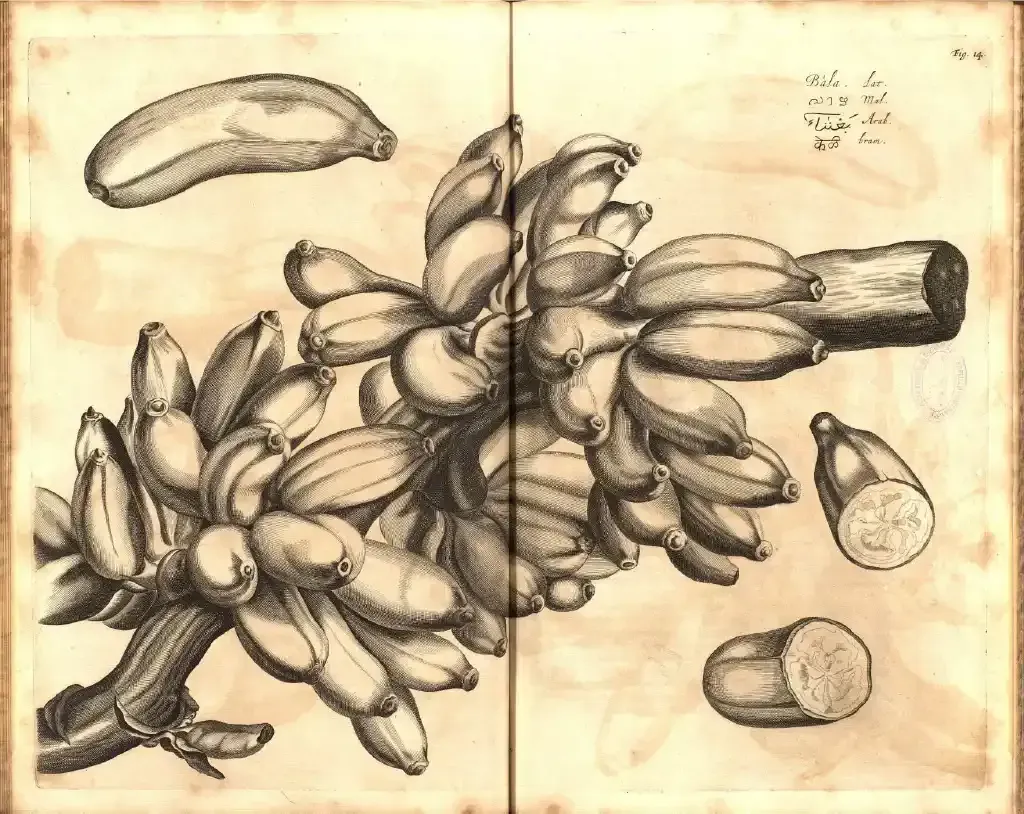
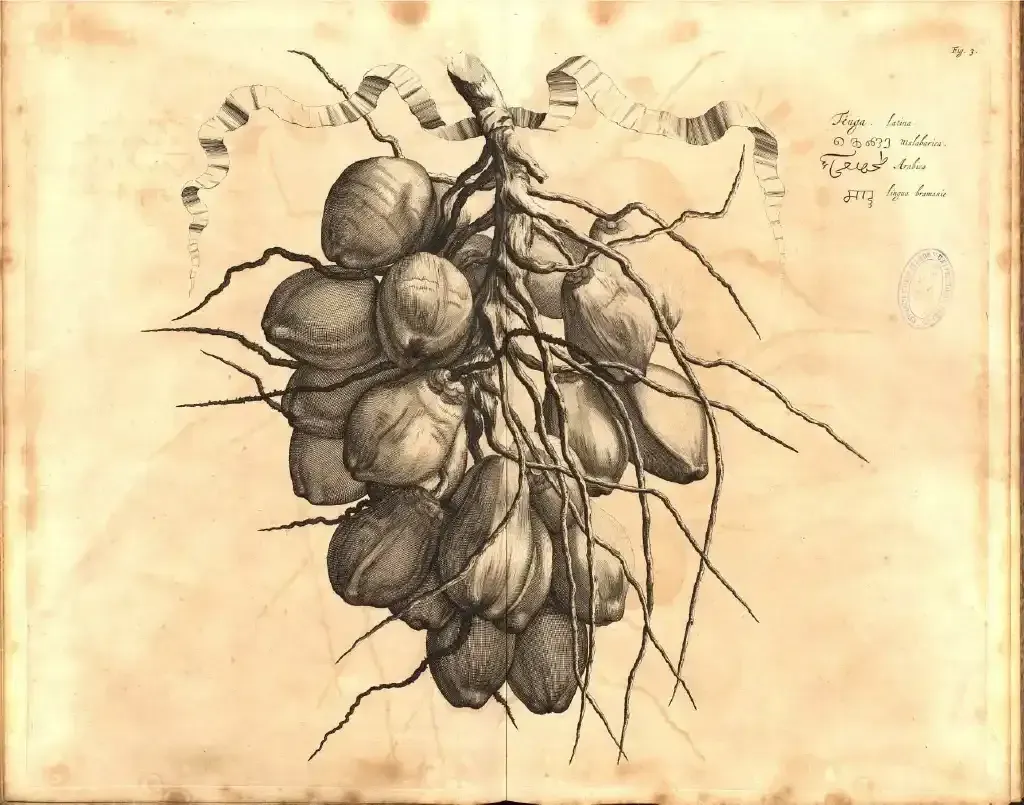
The Hortus Malabaricus (Garden of Malabar) is a monumental 17th-century botanical book that documents the richness of the South Indian flora. Twelve volumes, filled with refined illustrations and descriptions, showcase the botanical and medicinal knowledge of the Malabar Coast.
Central to this work is the contribution of Itty Achudan, a local physician and botanist from Kerala. He belonged to the Kollat family and the Ezhava community, where knowledge of medicinal plants had been collected, applied, and passed down for generations. Achudan shared this knowledge with the Dutch VOC administrator Hendrik Adriaan van Reede tot Drakenstein, who initiated the work.
In collaboration with other local botanists, Indian physicians and scholars, translators, artists, and European collaborators, a remarkable document emerged in which various traditions of knowledge converged. The Hortus Malabaricus thus reveals not only the plant world of Malabar but also how knowledge was passed down from generation to generation and between cultures.
What role did local plant knowledge play in the discovery,
describe and record plants for the Hortus Malabaricus?
- TIMELINE -
#1
Before the 17th century
→ local plant knowledge in Kerala
Long before the Hortus Malabaricus came into existence, extensive knowledge of plants, their properties, and medicinal applications existed in Kerala. This knowledge was passed down within the Kollat family and the Ezhava community orally, through practical experience, and via palm leaf manuscripts. Various medical traditions coexisted, including Ayurveda and local healing practices.
#2
1678–1693
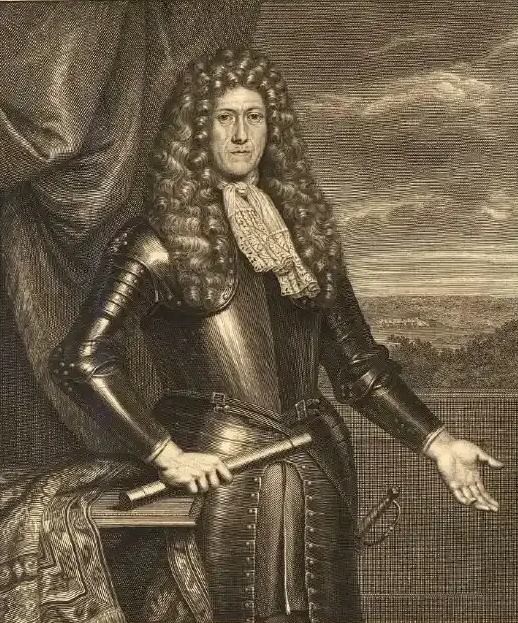
→ Hendrik Adriaan van Reede to Drakenstein
Hendrik Adriaan van Reede tot Drakenstein (1636–1691) came from a prominent Utrecht family that owned Drakensteyn Castle near Lage Vuursche. As an administrator for the Dutch East India Company (VOC), he departed for Asia and became, among other positions, Commander of the Malabar Coast, in present-day Kerala in India.
During his stay, Van Reede became interested in the exceptionally rich plant life of Malabar. He took the initiative for the Hortus Malabaricus: a monumental twelve-volume work in which hundreds of plants from the region were described and illustrated.
Van Reede was not a botanist himself. To collect, identify, describe, and illustrate the plants, he brought together a large network of local botanists, doctors, scholars, translators, draftsmen, and European collaborators. One of the most important local experts was Itty Achudan.
The Hortus Malabaricus is therefore regarded as an early and exceptional example of intercultural scientific cooperation, in which European and Indian knowledge of plants came together and complemented each other.
At the same time, the work emerged within a colonial reality. Behind the botanical heritage lies a larger story about plants, science, and collaboration, but also about colonial power and the question of who owns knowledge and who receives recognition for it.
#3
A network of knowledge holders
The Hortus Malabaricus was the work of many people. Van Reede not only collected the plant knowledge but also collaborated with a remarkable network of European and Indian experts.
His collaborators included the Carmelite Father Mattheus de Santo Josepho, preacher Johannes Casearius, and translator Emanuel Carneiro. Also of great significance were the three Indian scholars/Brahmins Vinayaka Pandit, Ranga Bhatt, and Appu Bhatt, and the Malabar physician and botanist Itty Achudan.
The three scholars introduced knowledge from an older Indian medical tradition and referred to the Manhaningattnam, a text on plants and their medicinal effects that has never been found. Notably, they themselves mention that enslaved people with knowledge of trees, plants, and herbs also helped in searching for and gathering the plants.
It is remarkable for the 17th century that several of these collaborators are mentioned by name in the first volume of the Hortus Malabaricus and their explanations were included. In this way, the book reveals that a much larger network of knowledge lay behind Van Reede.
In 2015, Vinayaka Pandit, Ranga Bhatt, and Appu Bhatt were honored with a monument in Kochi as 'The Architects of Hortus Indicus Malabaricus' – a contemporary recognition of their significant contribution.
#4
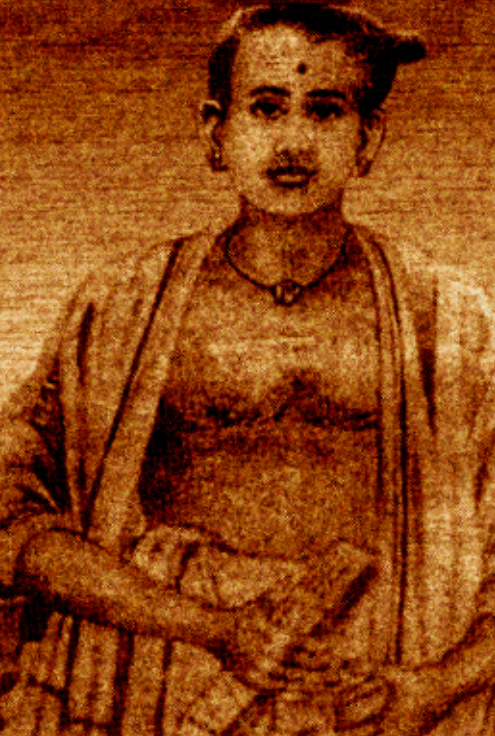
17th century → Itty Achudan, the Kollat family and other local knowledge bearers
Itty Achudan was a seventeenth-century physician and botanist from Kerala, on the southwest coast of India. He played an important role in the creation of the Hortus Malabaricus, the twelve-volume botanical work compiled under the direction of VOC administrator Hendrik Adriaan van Reede tot Drakenstein.
Achudan identified plants and shared knowledge about their names, properties, and medicinal uses. This knowledge stemmed from a long medical tradition within his family and the Ezhava community and was based on inherited knowledge as well as experience with the plants of Malabar.
In compiling the Hortus Malabaricus, this local medical art encountered other traditions of knowledge, including classical Ayurveda. This resulted in a unique interplay of local plant knowledge, medicine, and European botanical science.
#5
From Malabar to Utrecht
After his return to the Republic, Hendrik Adriaan van Reede tot Drakenstein settled in Utrecht. There he enlisted the help of Johannes Munnicks (1652–1711), professor of anatomy and botany at the University of Utrecht. Munnicks contributed to the preparation and publication of volumes 3, 4, and 5 of the Hortus Indicus Malabaricus.
The twelve-volume work originally appeared in Latin, in which the plants were also identified by local names and scripts. Later, a Dutch translation appeared under the title Malabaarse Kruydhof.
Thus, knowledge gathered in Malabar and transmitted by local knowledge bearers made a remarkable journey: from Kerala to Utrecht and the printing houses of the Republic, and from there to European botanical science.
That journey took place within a colonial context. Although Van Reede wrote with respect about the knowledge of Indian scholars, local botanical and medicinal knowledge was also detached from its original cultural context through collection, translation, classification, and publication, and incorporated into a European botanical world of knowledge.
The Hortus Malabaricus thus reveals two sides of knowledge exchange: exceptional intercultural cooperation and the colonial structures within which knowledge was collected, appropriated, and reorganized.
Hortus Malabaricus today – India perspective
For centuries, the Hortus Malabaricus was primarily associated with the name of Hendrik Adriaan van Reede. In Kerala, however, over the past few decades, increasing attention has been paid to the people and local knowledge traditions upon which the work is based.
#6
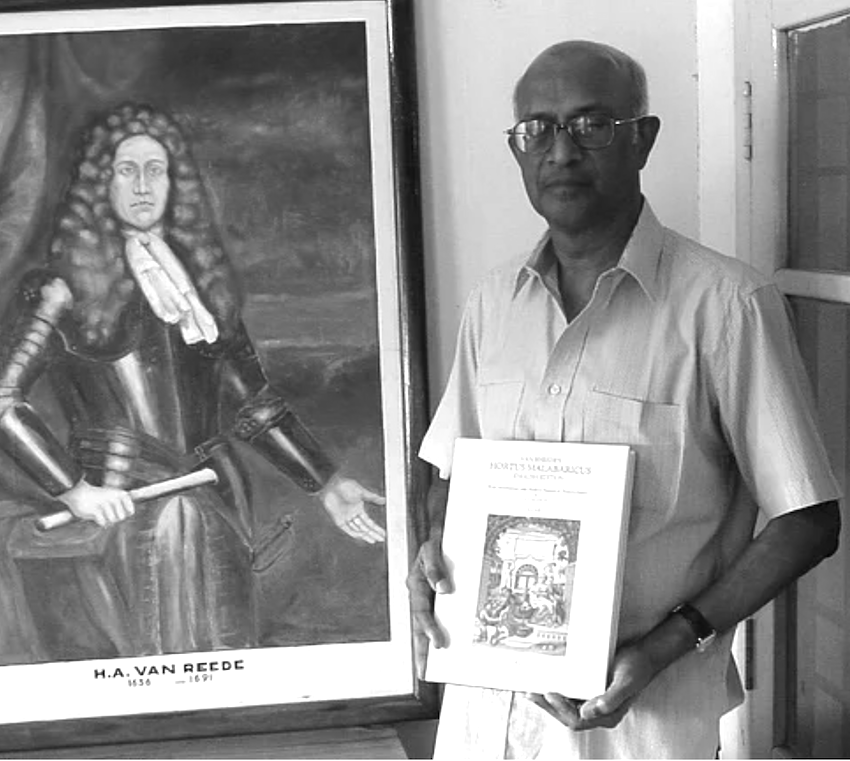
KS Manilal / 1938 – 2025
– the Hortus accessible again
More than three centuries after the publication of the Hortus Malabaricus, the Indian botanist KS Manilal (1938–2025) gave the work new life. He devoted more than 35 years to researching, identifying, translating, and reinterpreting the plants from the twelve-volume edition.
In 2003, the first complete English translation appeared under his direction, featuring modern botanical names and annotations. In 2008, a translation into Malayalam followed, the language in which many of the original plant names and local knowledge had been provided.
Manilal's work made the Hortus Malabaricus accessible once again to researchers and to people in Kerala. At the same time, his research drew renewed attention to the important contribution of Itty Achudan and the local medical and botanical knowledge of the Ezhava community.
The English edition was published by the University of Kerala in 2003; the Malayalam edition followed in 2008. Manilal was awarded the Order of Orange-Nassau, Officer, for his work in the Netherlands.
#7
Meenakshi Menon
– who owns knowledge?
Science historian Minakshi Menon, affiliated with the Max Planck Institute,
investigates the history of the Hortus Malabaricus and its remarkable second life
that the book has in Kerala today.
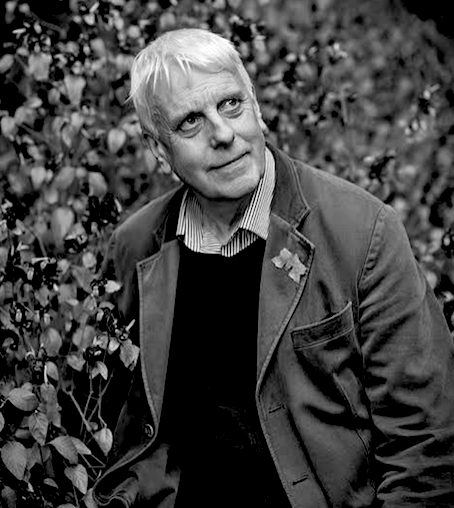
While the Hortus Malabaricus was long viewed primarily as a European botanical masterpiece created under the direction of Hendrik Adriaan van Reede, Menon shows how the perspective is shifting. In Kerala, increasing attention has been paid to Itty Achudan, the Ezhava community, and the local botanical and medical knowledge underlying the book.
In doing so, the Hortus Malabaricus also poses a topical question: to whom does knowledge belong? To the one who collects and publishes it, or also to the people and communities that have developed and passed on this knowledge for generations?
The history of the Hortus Malabaricus therefore does not end in 1693. Even today, meaning is once again given to the book and to the question of who becomes visible in the story.
#8
The Ezhava community
– recognition of local plant knowledge
The renewed interest in the Hortus Malabaricus has also led to greater recognition in Kerala for the Ezhava community, to which Itty Achudan belonged.
Within this community, there was a long tradition of medicinal and botanical knowledge. Plants were recognized and named, and knowledge of their medicinal properties was passed down within families and communities from generation to generation.
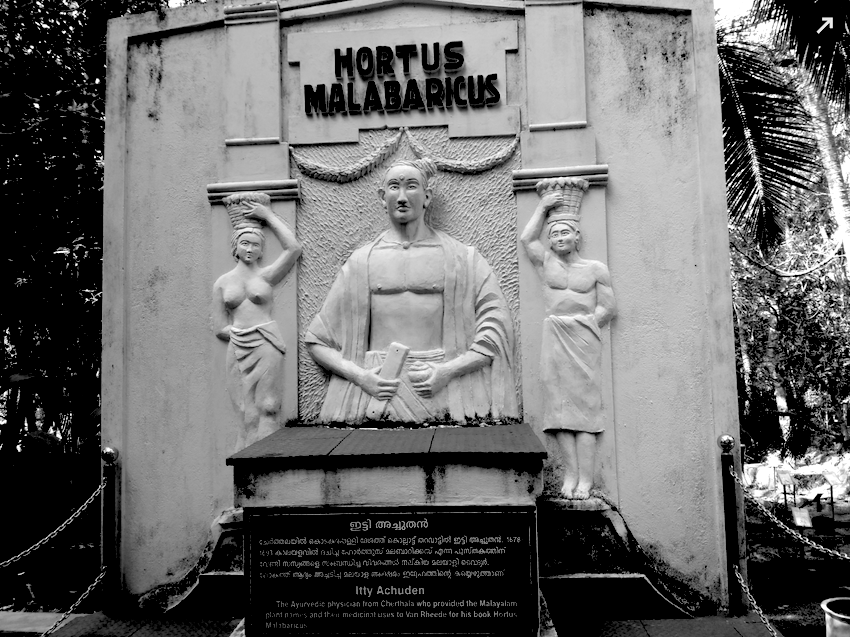
In the Hortus Valley of the Malabar Botanical Garden in Kozhikode, that recognition is literally visible today. Here, hundreds of plant species from the Hortus Malabaricus have been brought together again. At the entrance, Itty Achudan takes center stage in a monumental representation of the book's original frontispiece.
The perspective is thus reversed. Where a European colonial book stood central for centuries, the people and communities that possessed and passed on the knowledge of the plants now also become visible. The Hortus Malabaricus is thus viewed not only as botanical heritage, but also as part of the cultural heritage of the Ezhava community.
According to Menon, the Hortus Valley contains 432 species from the Hortus Malabaricus, each with the Malayalam name, modern botanical name, and information regarding medicinal use. She furthermore describes the gate as a deliberate reinterpretation of the original frontispiece: Itty Achudan now stands in the center.
#8
Dr. Sita Reddy
– botanical images are the result of many hands
Dr. Sita Reddy is an Indian writer, researcher, and curator from Hyderabad. Her work is situated at the intersection of botanical art, science, museums, and traditional plant knowledge. In her research into the Hortus Malabaricus, she emphasizes that botanical illustrations are the result of many hands: from the people who knew, collected, and used plants to those who translated, drew, and recorded this knowledge in books. In doing so, she particularly highlights the often overlooked contribution of Indian knowledge bearers, such as the Ezhava physician Itty Achudan.
Hortus Malabaricus - who depicted the plants?
By following the journey from plant → drawing → copper engraving, we search for the people behind the images and also bring their contribution back into view.
#10
17th century
→ Living plant
The plants for the Hortus Malabaricus were collected in Kerala by Indian and European botanists and form the starting point for the images.
#11
Circa 1670–1690
→ Research into the draughtsmen in India
In Cochin, the plants are drawn accurately from life. We know the names of two European illustrators: Antoni Jacobz Goetkint and Marcelis Splintjer.
In addition, unknown Indian artists from Malabar worked on the images. A large part of the original drawings is currently preserved in the British Library.
Contemporary research into Indian botanical art, by Henry Noltie among others, contributes to a broader revaluation of the often nameless Indian artists.
#12
1678–1693
→ From Indian drawing to Dutch copper engraving
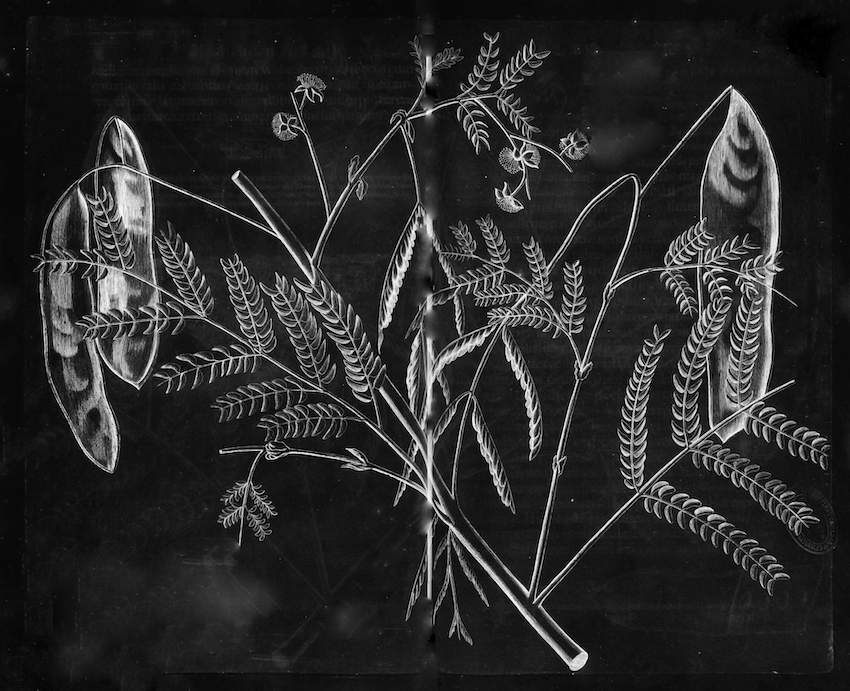
The drawings traveled from Asia to the Netherlands. In Amsterdam and Leiden, they were transferred onto copper plates by engravers and subsequently printed in the twelve volumes of the Hortus Malabaricus.
We know the names of two engravers: Bastiaan Stoopendael and Gonsalez Appelman. The makers of the other engravings are largely unknown.
During that translation process, the images sometimes changed. Details were added, omitted, or mirrored. Even human figures that had a distinctly South Indian appearance in the original drawings could take on a more European look in the Dutch engravings.
#13
20th–21st century
→ Herbarium
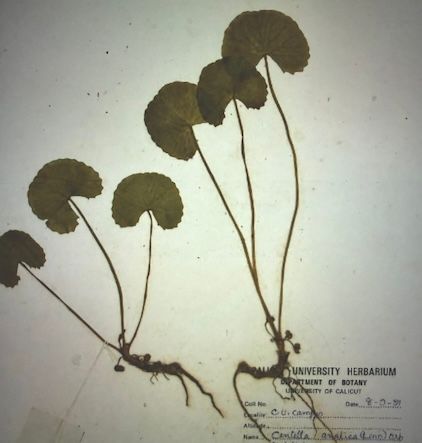
KS Manilal re-identifies the historical plants and links the images to modern botanical species. Dried specimens are preserved as scientific reference material in the Calicut University Herbarium.
#14
21st century
→ Living collection
In Kerala, various initiatives emerged around the plants of the Hortus Malabaricus. In the Malabar Botanical Garden in Kozhikode, a Hortus Valley was established with hundreds of species from the book.
In addition, a special Hortus Malabaricus Botanical Garden was developed in Cheruthuruthy in the Thrissur district starting in 2015. The garden covers 27 hectares and focuses on the conservation, propagation, and research of plants from the Hortus Malabaricus and other plants from the Western Ghats.
In 2025, the garden was named Hortus Malabaricus Botanical Garden and Research Institute (HMBGRI). Virtually all 742 plants from the historical work are being brought together there again as living plants.
Hortus Malabaricus - Contemporary Imagination
#15
2026
→ Contemporary imagination
The Botanical Biography brings the plants from the Hortus Malabaricus back into view. Just as then, the work is created by many hands, but now we are drawing together on a single contemporary interpretation in which every maker is part of the story.
EXPLORE Hortus Malabaricus → Kerala → Itty Achudan → Kollat family → Ezhava → Ayurveda → artists → colonial context
CONNECT historical plates → Community Art Sessions → many hands → joint authorship → Botanical Image Bank
ENRICHMENT digitization → monumental book → projection mapping → immersive experience → traveling presentation