What role did local knowledge of plants play in documenting plants?
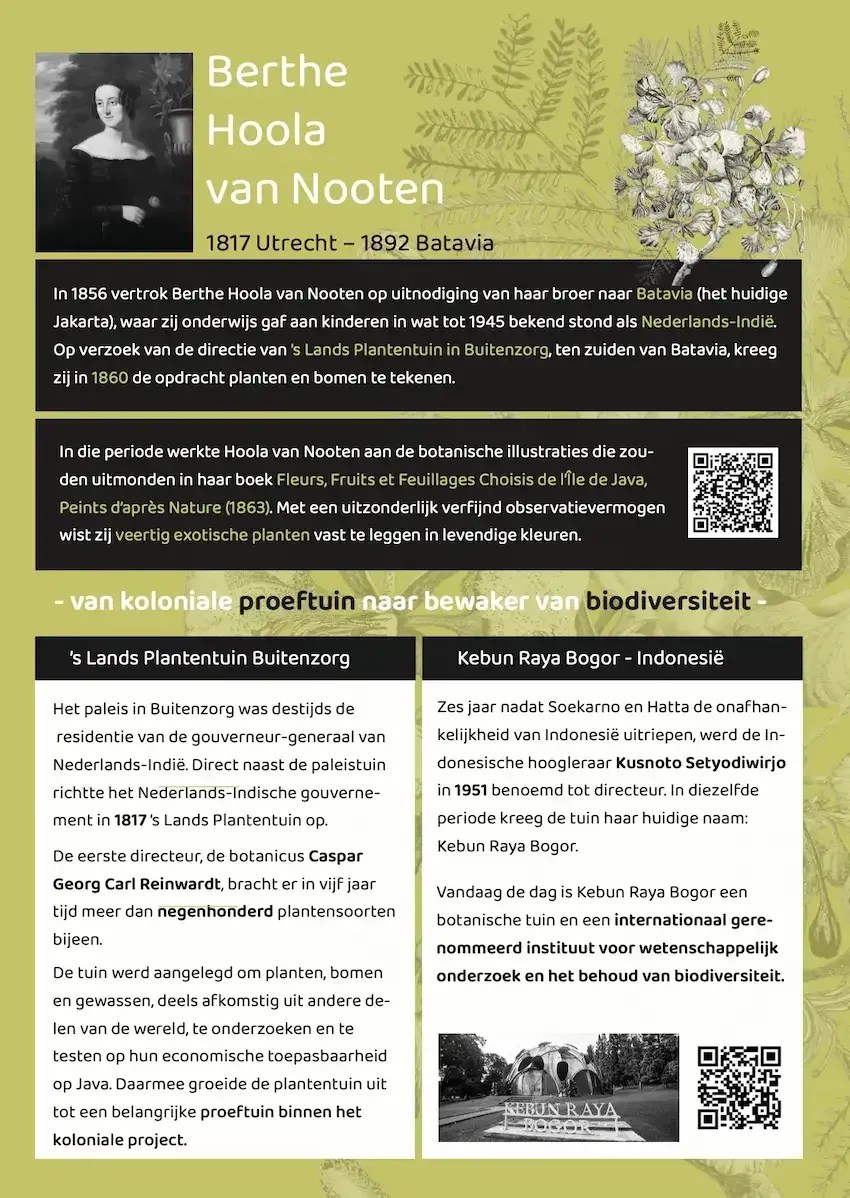
It is plausible that Berthe Hoola van Nooten was advised in her work by Johannes Elias Teijsmann (1808-1882), horticulturist of the National Botanical Garden in Buitenzorg and, moreover, her neighbor across the street at the time. Teijsmann possessed an exceptional botanical network and extensive knowledge of the flora of the Indonesian archipelago.
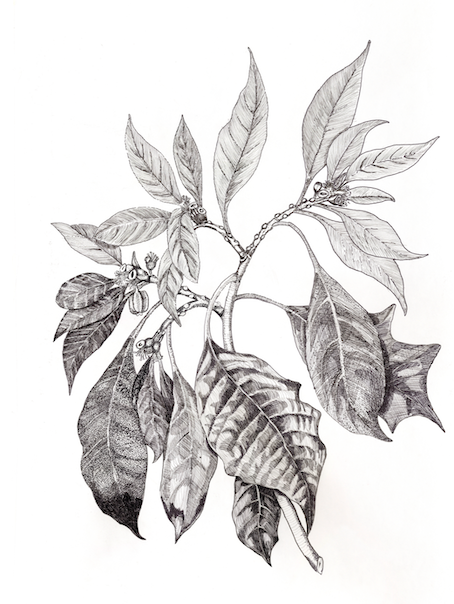
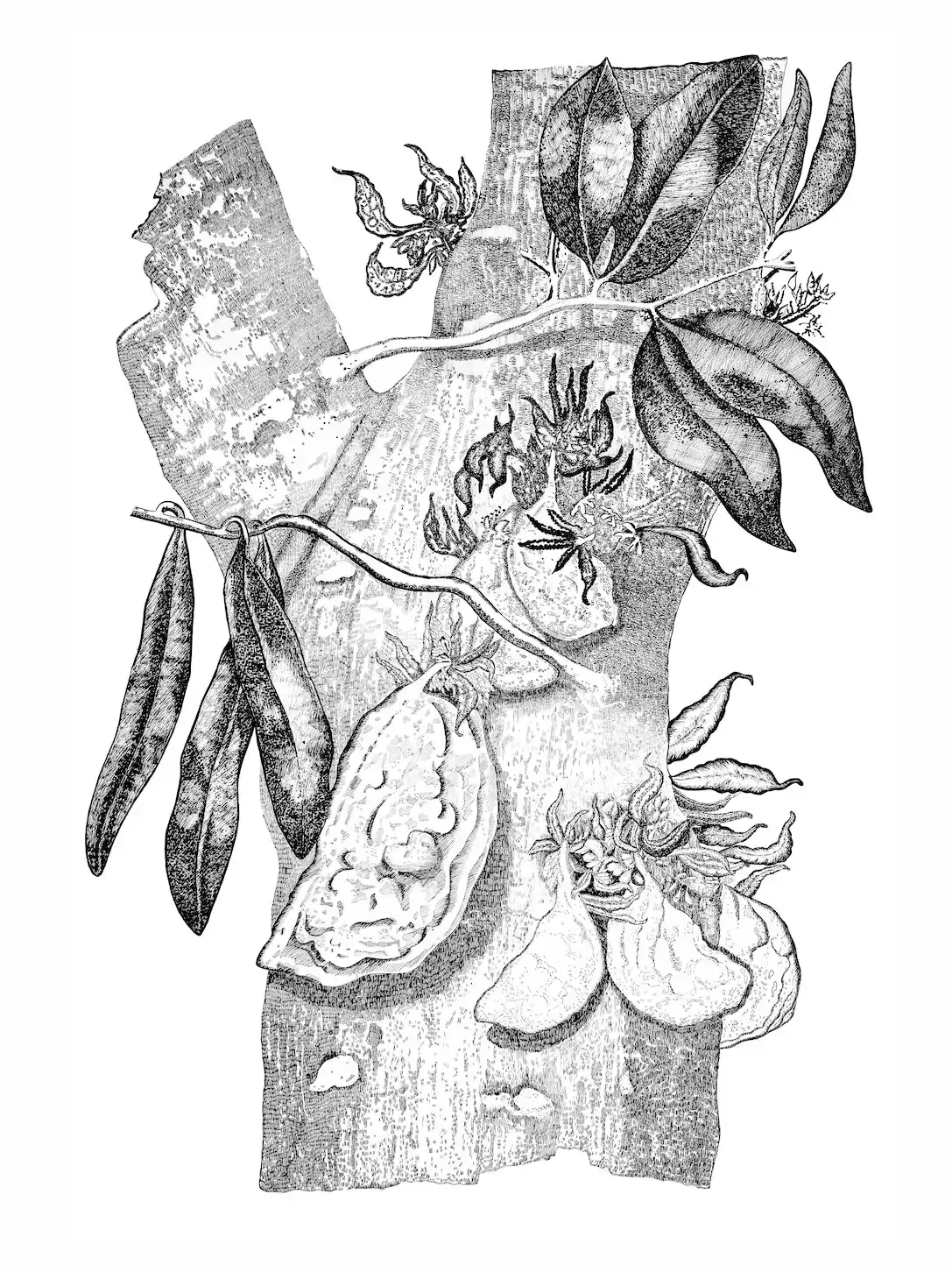
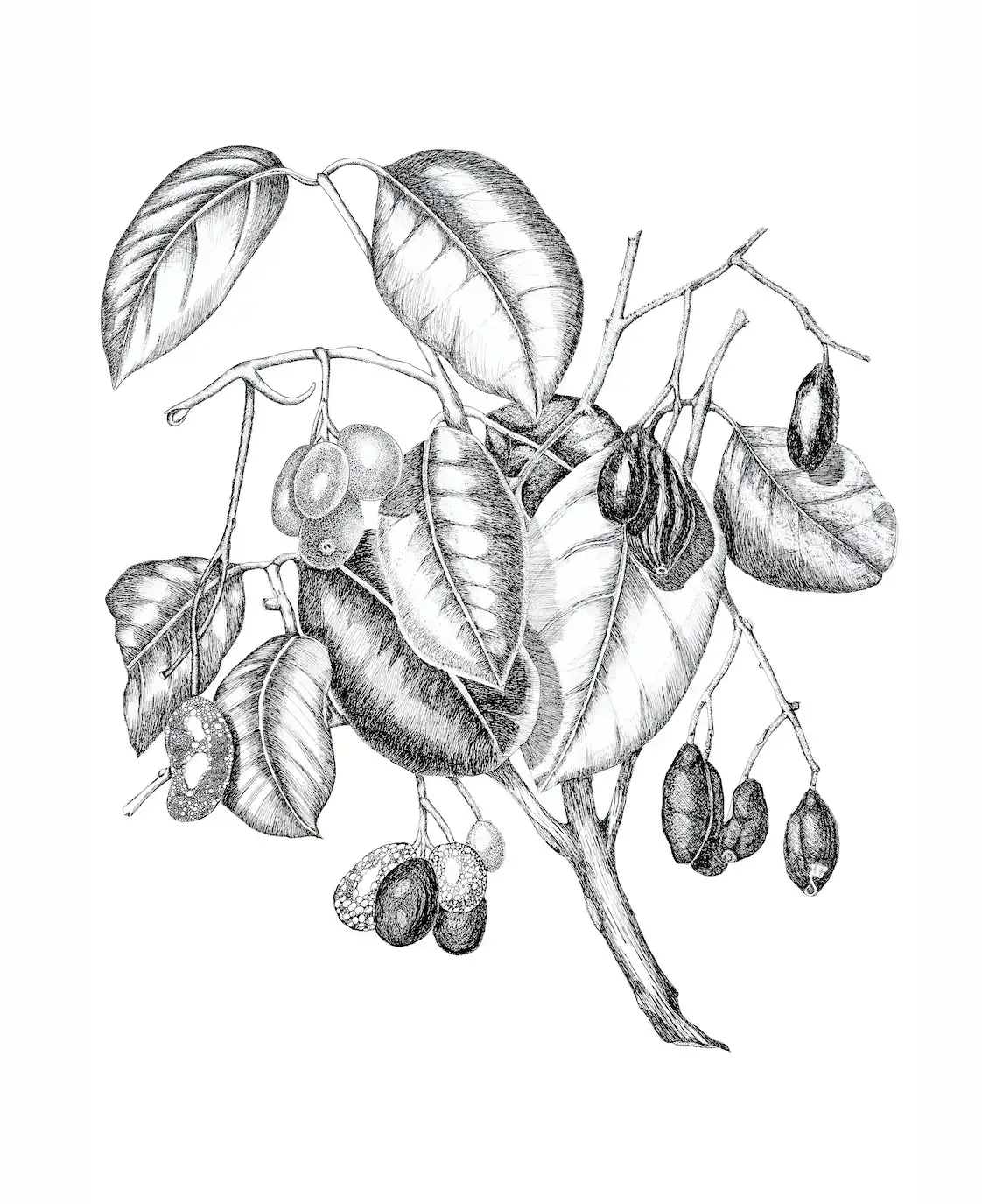
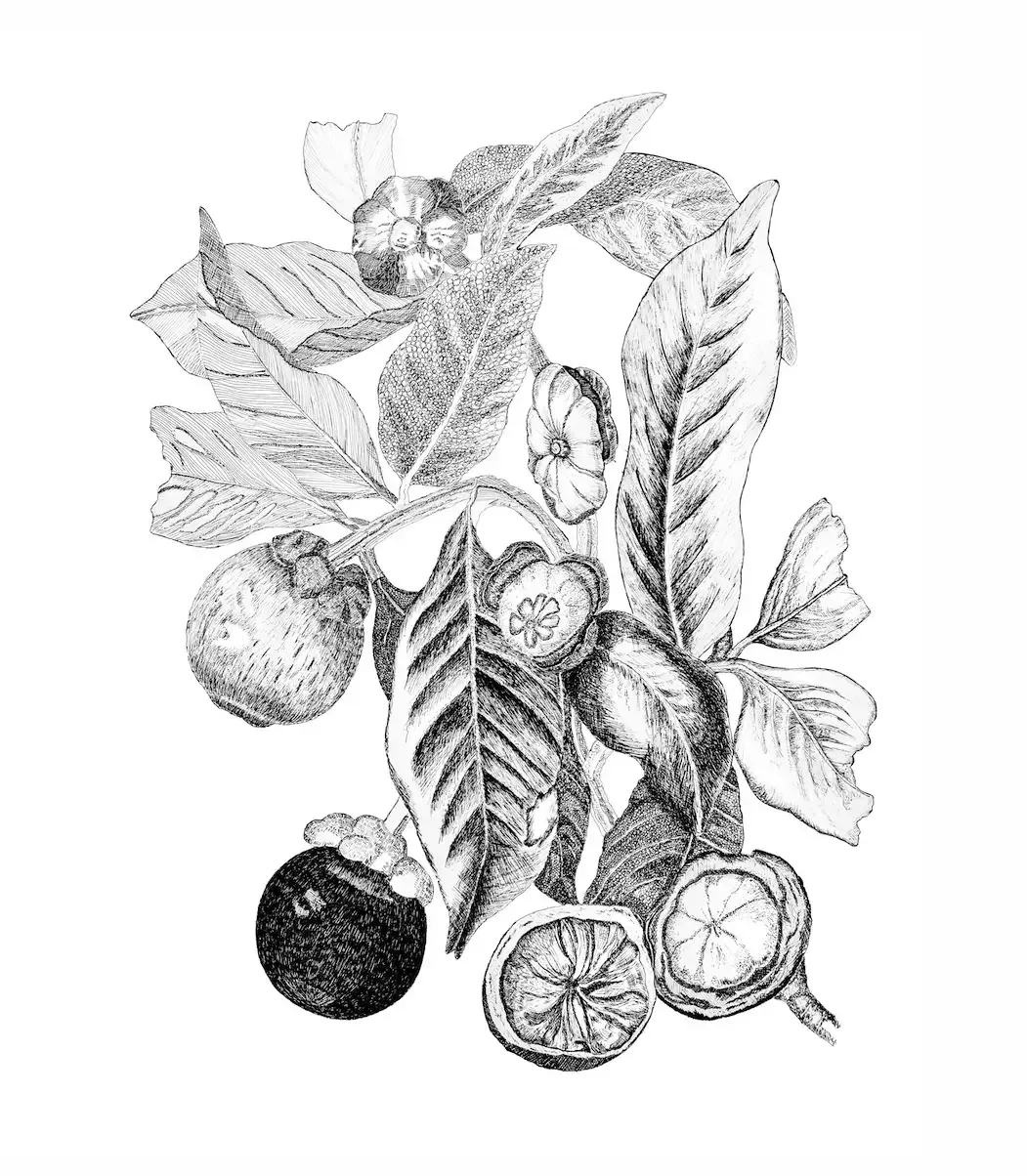
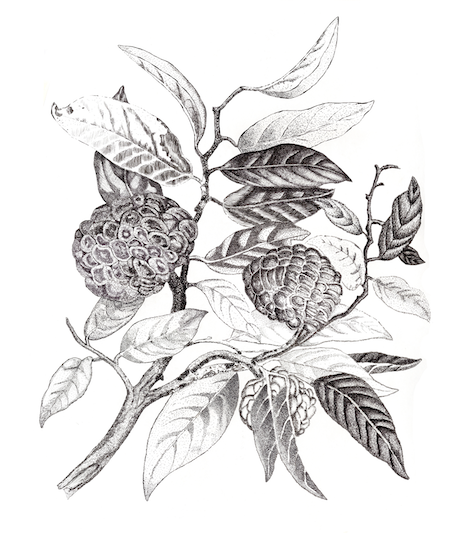
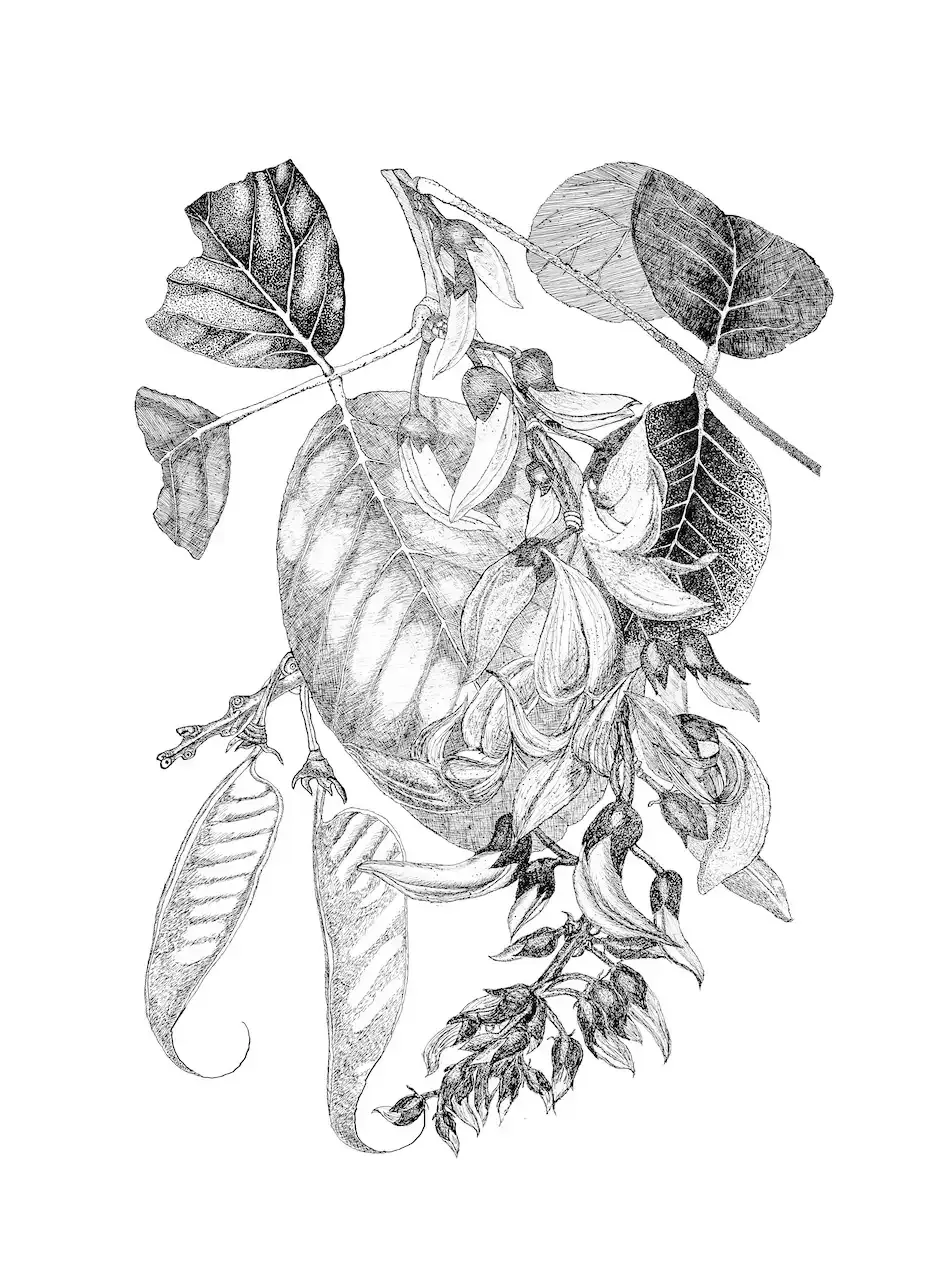
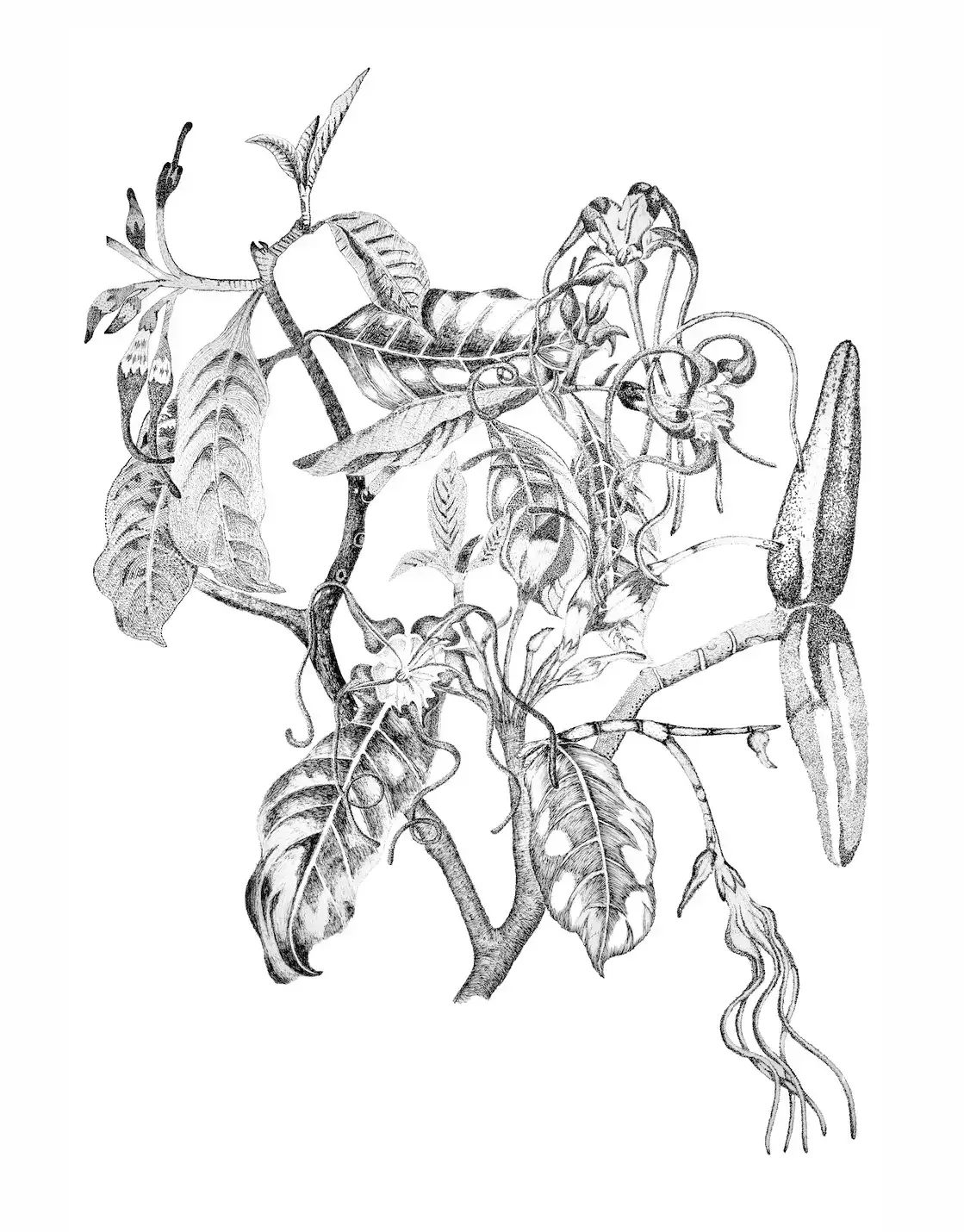
For her botanical descriptions and the selection of plants, Berthe probably also made use of the rich collection of the Bibliotheca Bogoriensis. It contained important works such as the *Amboinsche Kruid-boek* (1741–1750) by Georg Eberhard Rumphius and *Rumphia* by Carl Ludwig Blume, with approximately two hundred lithographed illustrations of plants from the Indonesian archipelago.
Although these books were written by European botanists, it seems inevitable that a significant portion of the knowledge recorded therein originated from Indonesian guides, collectors, gardeners, physicians, and other local knowledge holders. Their knowledge of plants, habitats, local names, and uses often formed the basis of botanical research, while their contributions were rarely recorded or acknowledged.
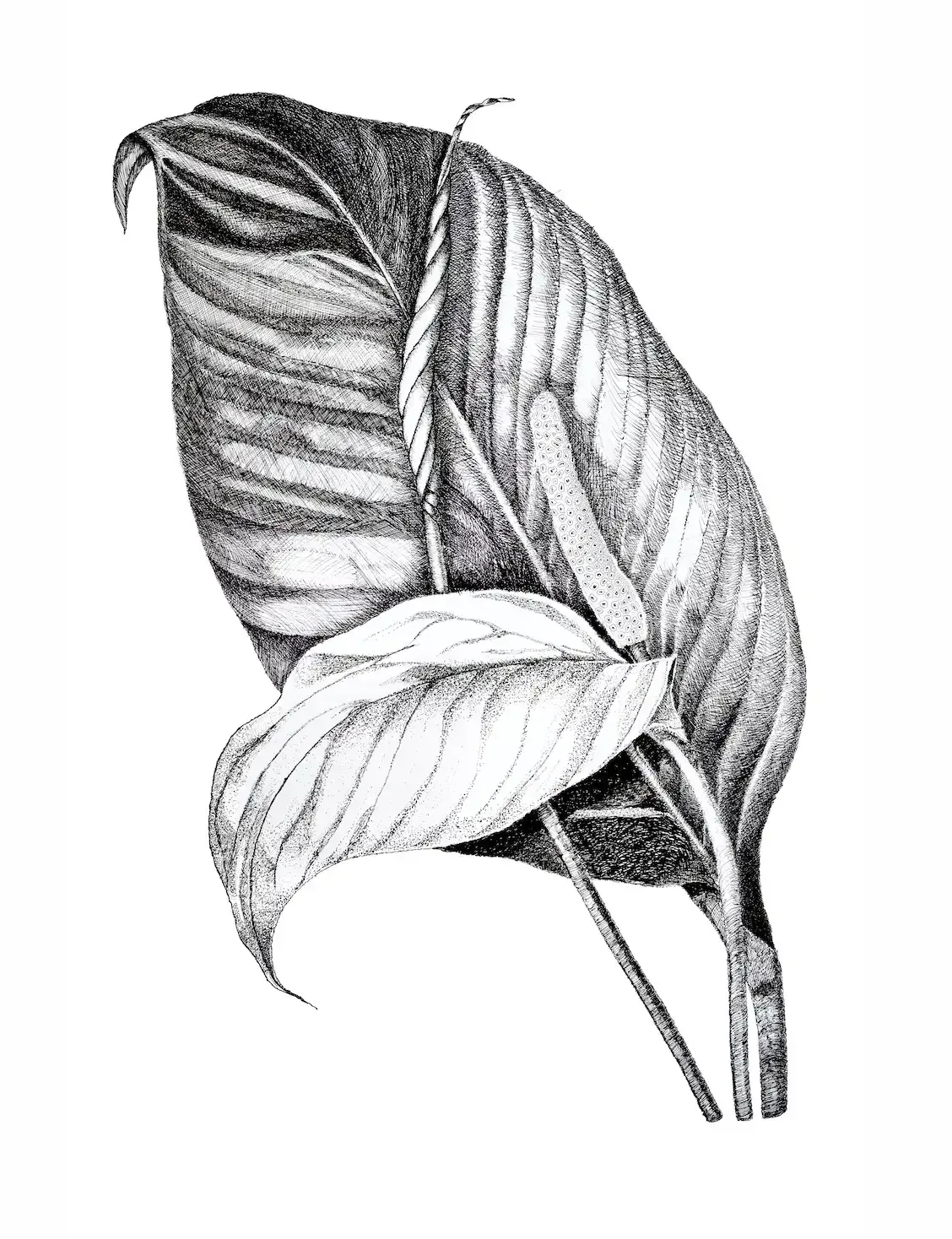
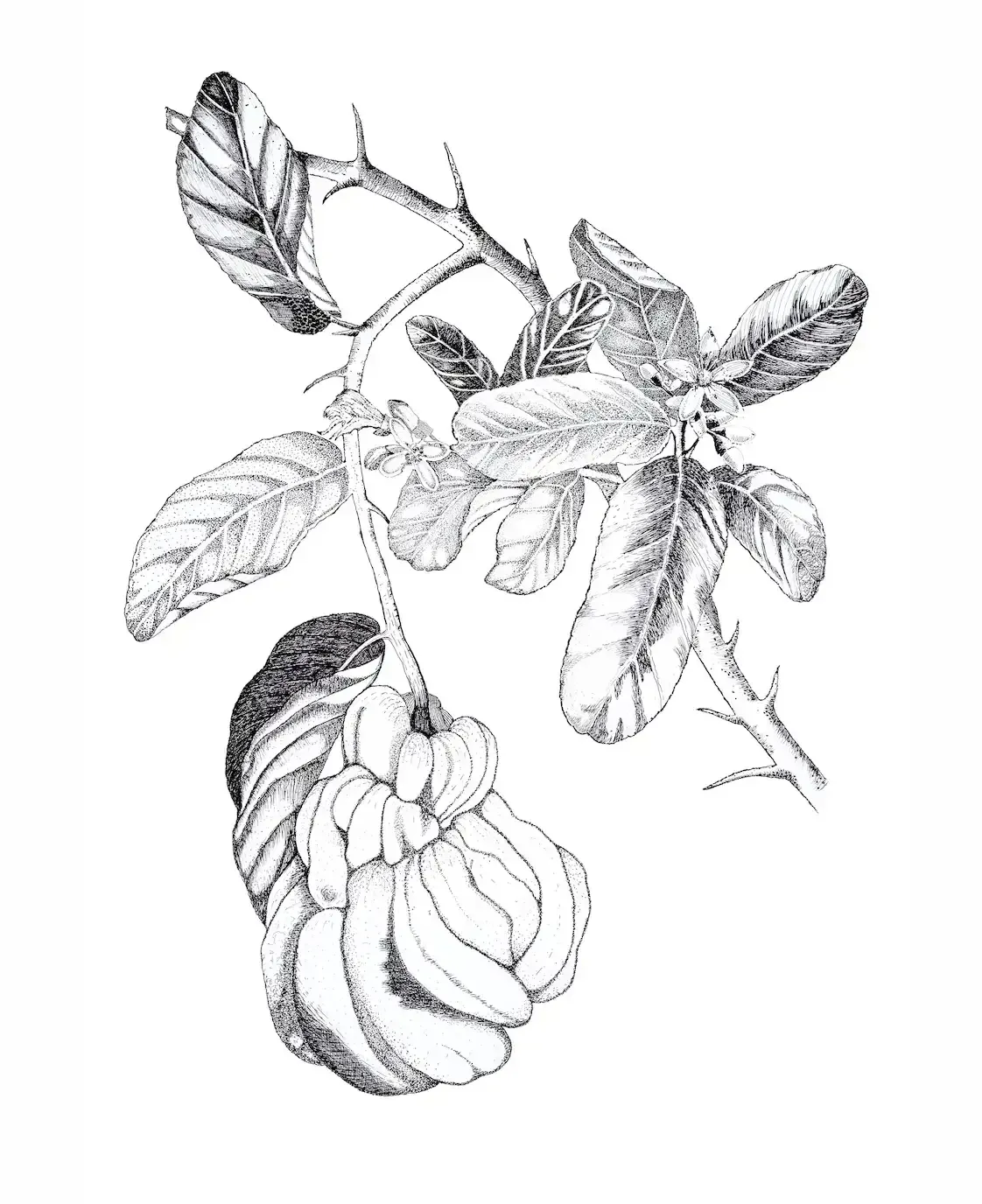
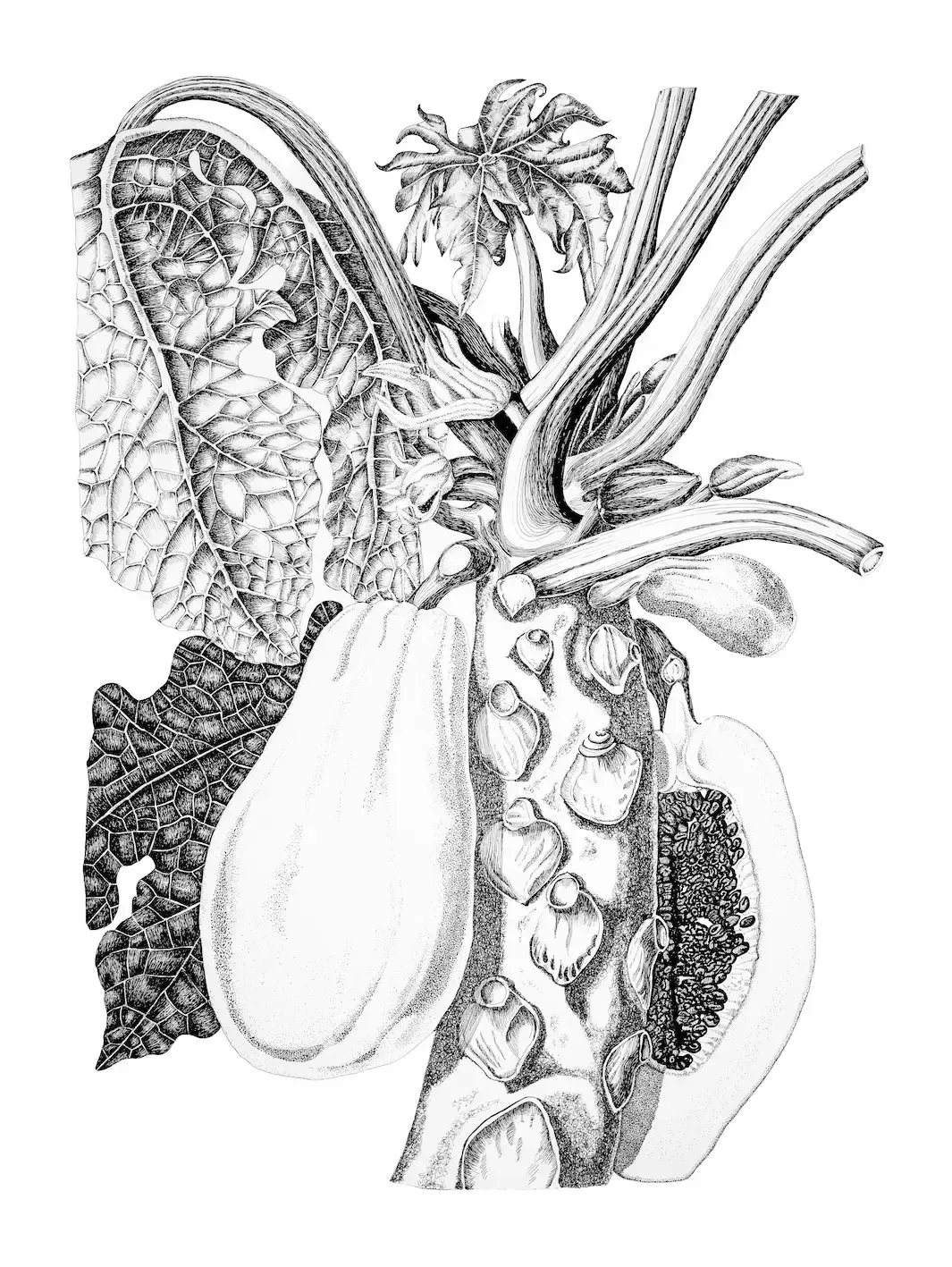
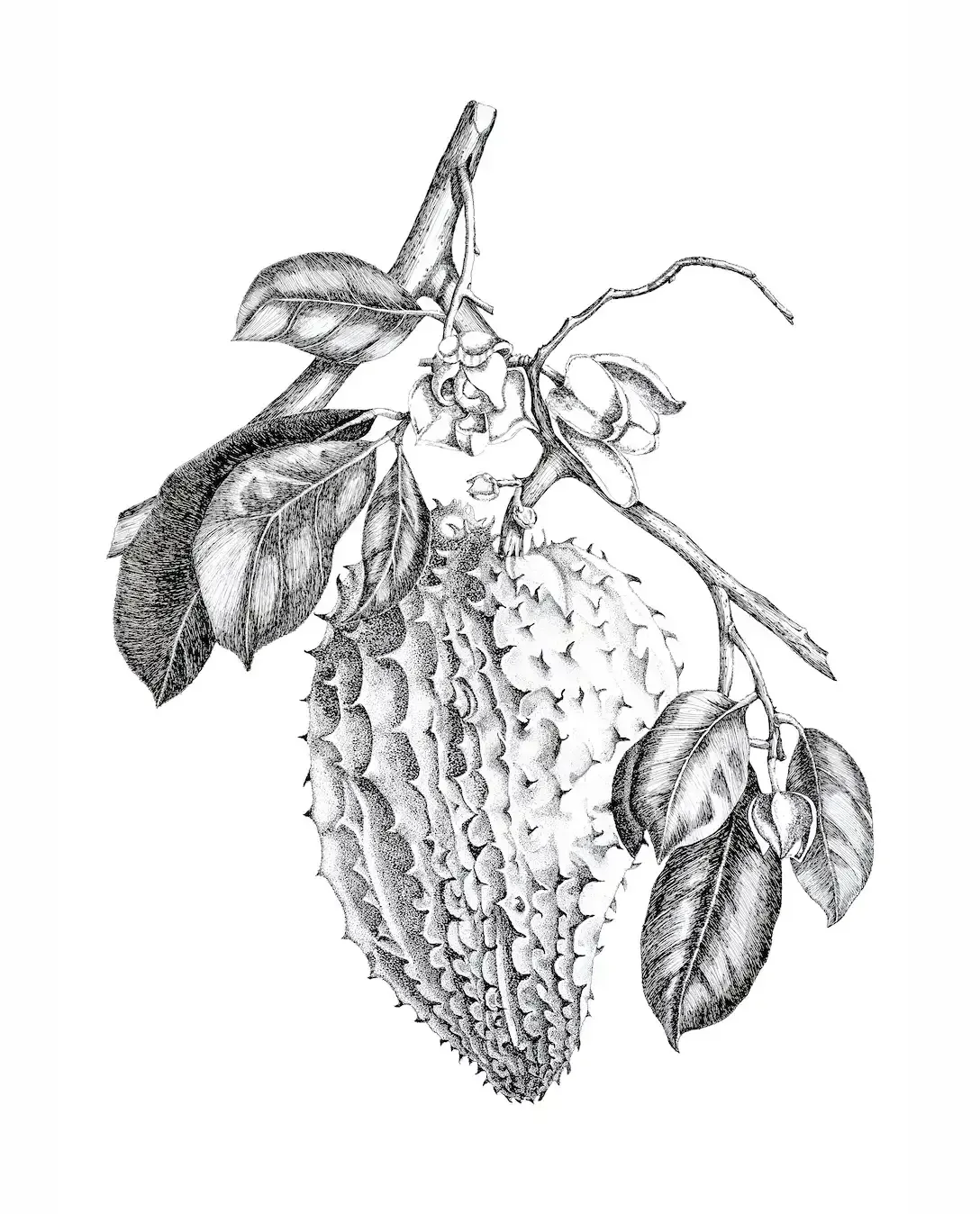
In Fleurs, Fruits et Feuillages Choisis de l'Île de Java (1863), Berthe names eight European naturalists, including Junghuhn and Lindley. Mentioning such authoritative names lent her work scientific authority. However, in the many surviving letters to her North American close friend, the authors have found no names of Indonesians or other local individuals involved who may have contributed to the creation of her book.
That does not necessarily mean that they played no role. In the nineteenth century, it was common for the knowledge and contributions of local guides, collectors, artists, gardeners, and other knowledge holders to be barely recorded or acknowledged.
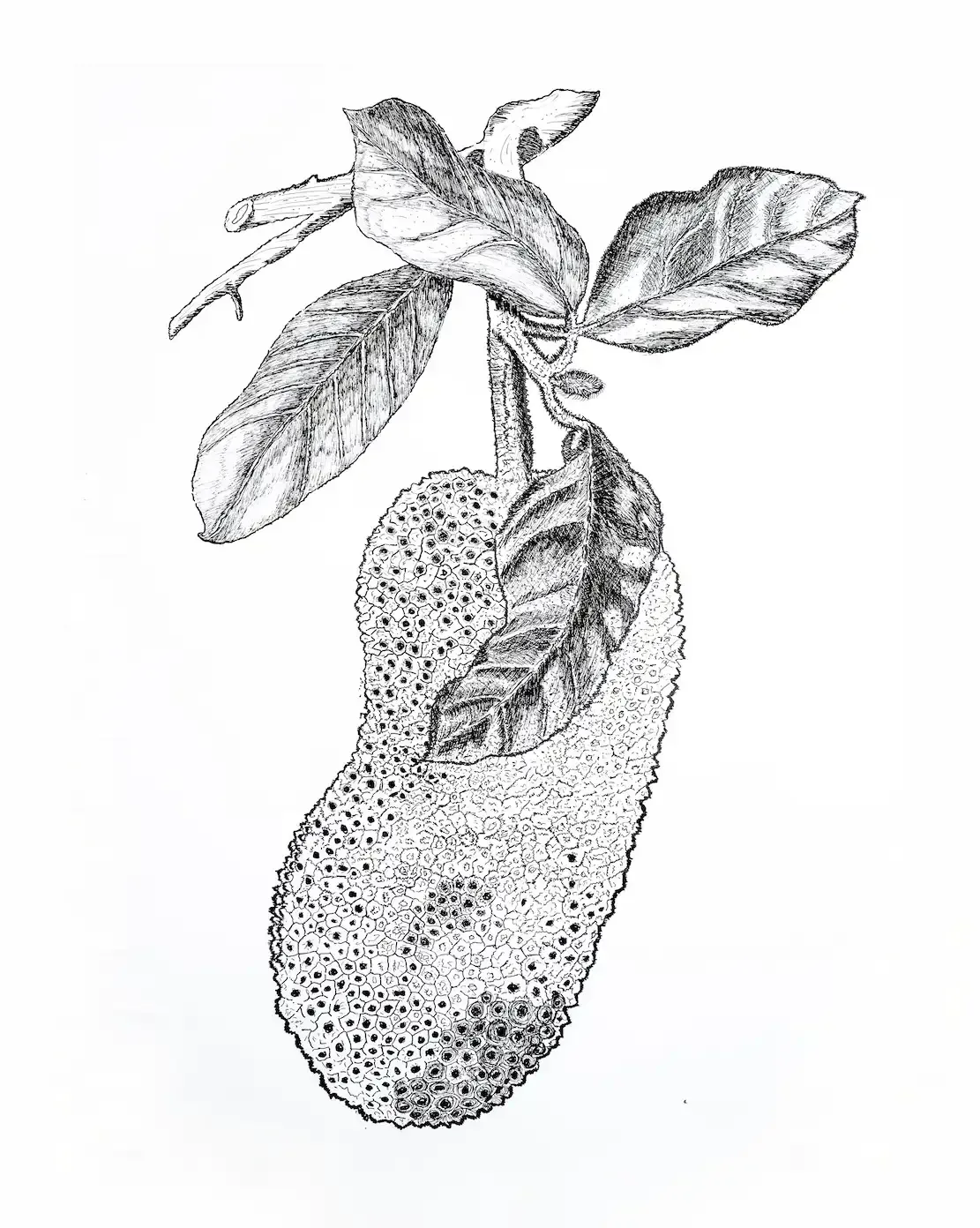
More than sixty years later, Jacob Jonas Ochse did mention the Indonesian illustrator M. Soeparno in *Indische vruchten* (1927). His colleague Atje Soleiman (years unknown), who worked in Buitenzorg, also contributed as a botanical illustrator to Ochse's later publication *Vruchten en vruchtenteelt in Nederlandsch-Indië* (1931). With this, Indonesian botanical illustrators received more prominent recognition in botanical publications.
After Indonesian independence (1945), the position of the botanical garden and its library changed drastically. With the appointment of the Indonesian botanist Kusnoto Setyodiwirjo as director, the scientific institute came under Indonesian leadership for the first time. A new phase began in which knowledge of the Indonesian flora was increasingly developed and managed from within Indonesia itself.
This leaves open the question of the extent to which local plant knowledge played a role in selecting, understanding, and documenting the plants Berthe depicted. It is precisely this invisible knowledge that constitutes an important subject for further research.
Source: Berthe Hoola van Nooten, 1817–1892. Life and work of an unprecedented flower draughtswoman / David Apollonius Coppoolse and Marcel van Dorst.