

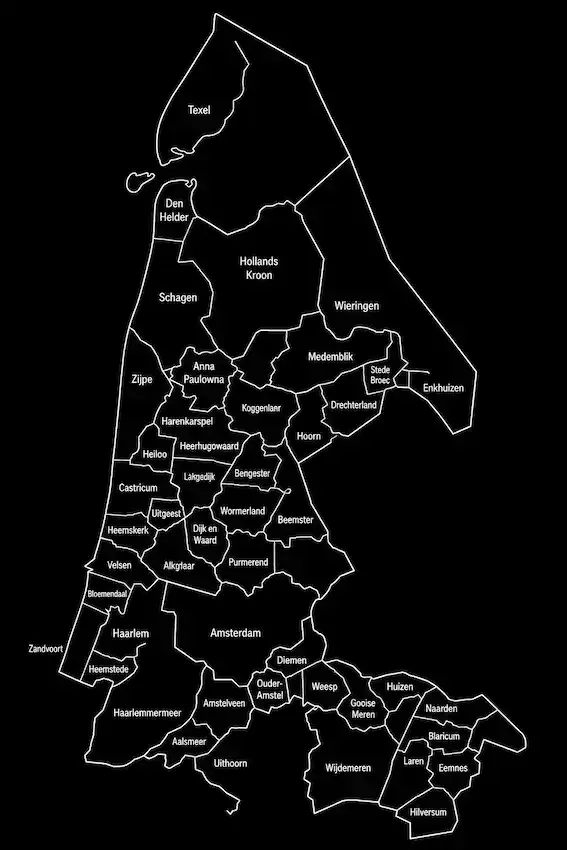
North Holland
During the VOC/WIC era (17th/18th century) and the subsequent colonial period, plants played a central role in the relationship between the Netherlands and overseas territories such as Suriname.
At the same time, this plantation economy rested on the labor of enslaved people and on the knowledge of indigenous communities.
Prosperity in the Netherlands was partly based on the trade in plant products such as sugar, tobacco, coffee, cocoa, cotton, spices, and indigo.
That knowledge was essential for cultivating tropical crops, but remained underexposed for a long time.
In addition to the plantation economy, many wild plants of Suriname were depicted during that time by famous artists.
and lesser-known botanical artists who must also have made use of indigenous knowledge.
Part 1: Drawn & painted plants
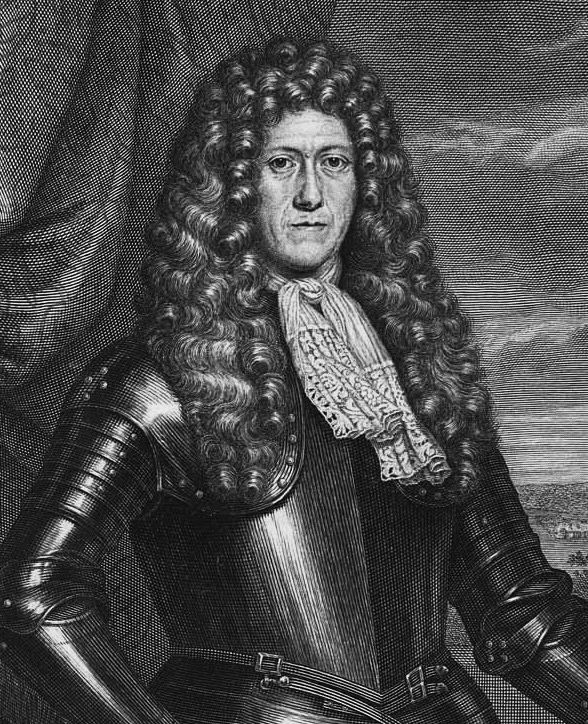
HENDRICK ADRIAN OF REDE TO DRAKENSTEIN 1636 -1703
***
Execution: November 2026 - January 2027
By the end of September at the latest, it will be clear where and when we will start working on this botanical masterpiece.
Subscribe to the newsletter to stay informed.
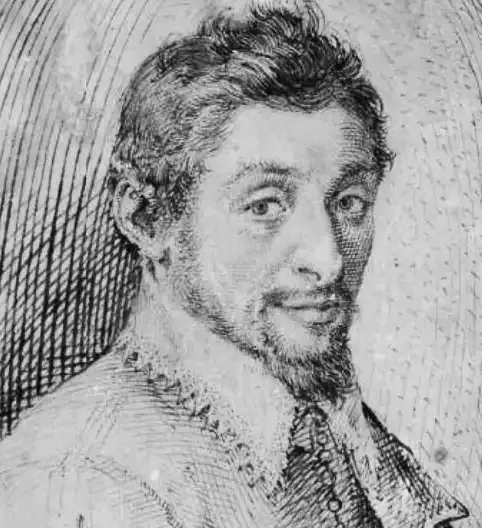
CRISPIJN VAN DE PASSE THE YOUNG 1549 - 1670
***
Execution: February 2027 - March 2027
By the end of November at the latest, it will be clear where and when we will start working on this botanical masterpiece.
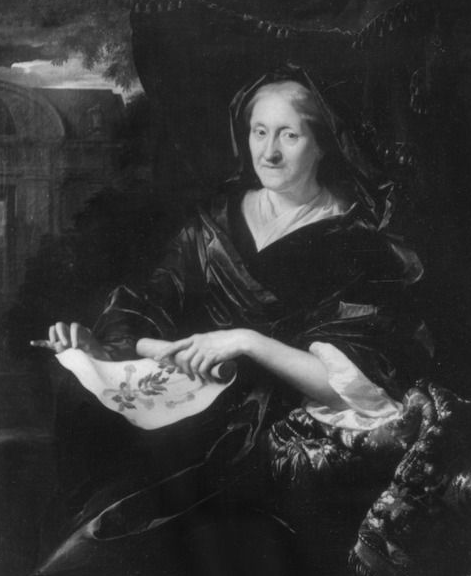
AGNES (AGNETA)
BLOCK 1629 - 1704
***
Execution: April 2027
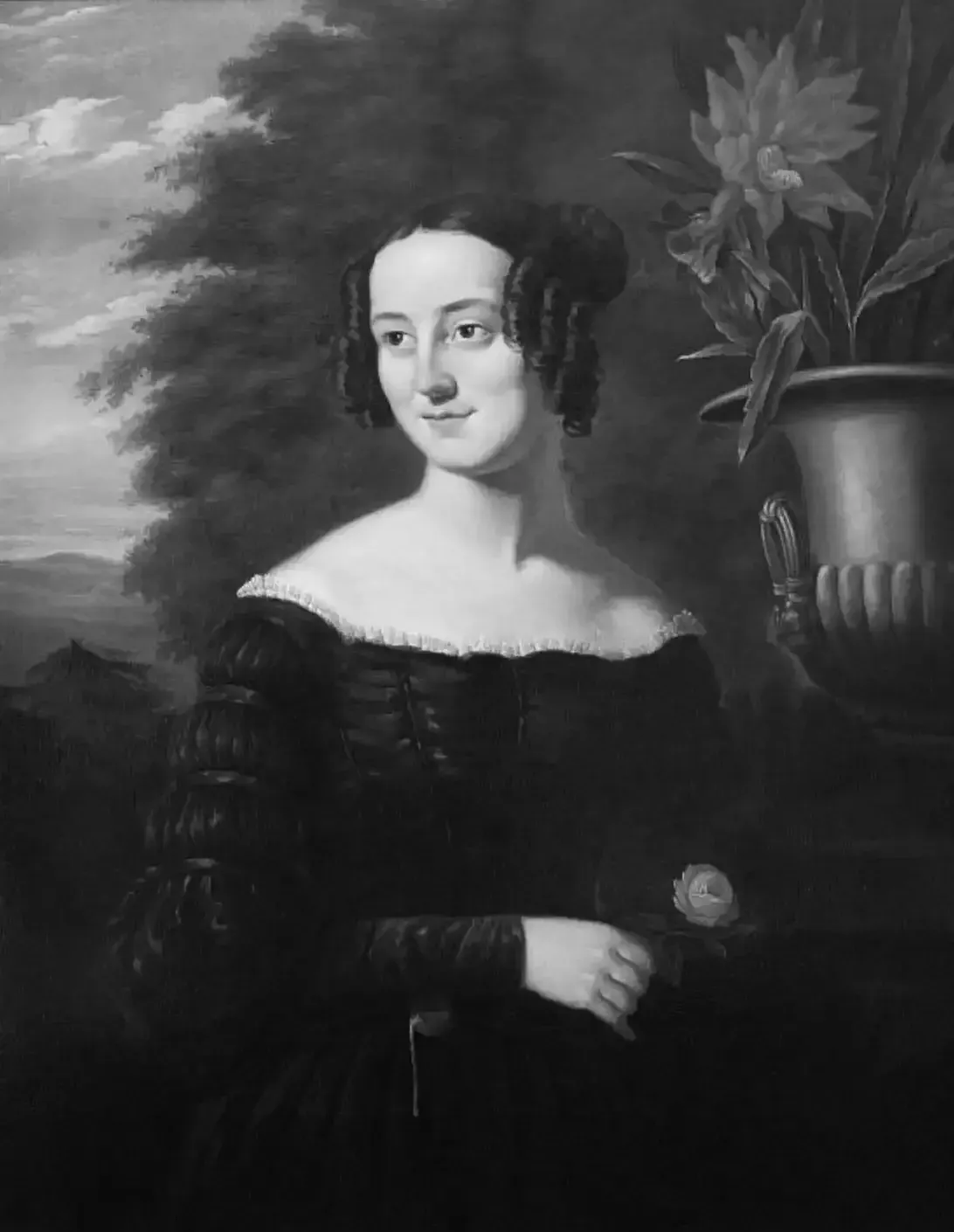
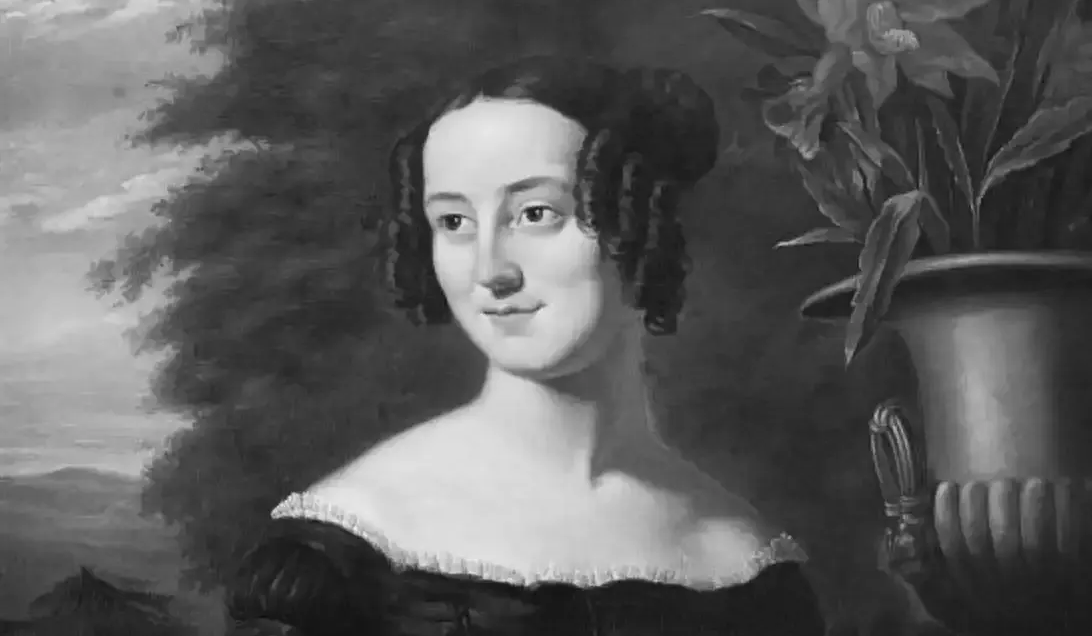
Berthe Hoola van Nooten 1817 - 1892
Berthe Hoola van Nooten was a botanical artist from Utrecht with a keen eye for color and form. In 1856, at the invitation of her brother, Berthe left for Batavia (present-day Jakarta), where she taught children in what was known as the Dutch East Indies until 1945.
At the request of the management of the National Botanical Garden in Buitenzorg (now Kebun Raya Bogor), south of Batavia, she was commissioned in 1860 to draw flowers and plants.
During that period, Hoola van Nooten began the botanical illustrations that would culminate in her famous work Fleurs, Fruits et Feuillages Choisis de L'Île de Java, Peints d'après Nature, 1863.
The palace in Buitenzorg was at the time the residence of the Governor-General of the Dutch East Indies. In 1817, the Government of the Dutch East Indies had established 's Lands Plantentuin—a colonial experimental garden—directly next to the palace garden. The first director, the botanist Caspar Georg Carl Reinwardt, gathered more than nine hundred different plant species there over a period of five years.
With her refined powers of observation, Hoola van Nooten managed to immortalize forty exotic plants in vibrant colors.
Book: Selected Flowers, Fruits and Foliage from the Island of Java, Painted from Nature, 1863.
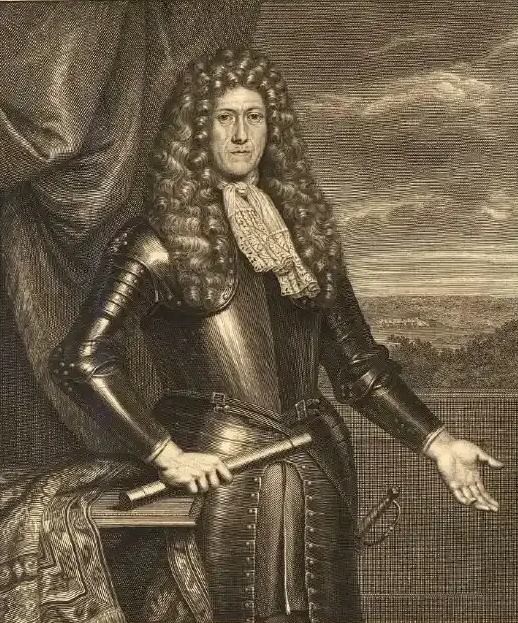
Hendrick Adriaan van Reede tot Drakenstein 1636 - 1703
A descendant of a noble Utrecht family that owned Drakensteijn Castle in Lage Vuursche. As a VOC administrator on the Malabar Coast in South India, he worked from 1678–1693 with the Indian Ayurvedic physician Itty Achudan and local draftsmen and scholars on the Garden of Malabar (Hortus Indicus Malabaricus) – a monumental work in which 740 plant species are described and illustrated, along with their Ayurvedic and medical applications.
As a VOC administrator, Van Rheede was part of a colonial system in which slavery was commonplace; he established rules for the treatment of enslaved people, but did not question the system itself.
The book is regarded as an early and remarkable example of intercultural scientific cooperation, in which European and Indian knowledge complement each other.
Book: Hortus Indicus Malabaricus (Garden of Malabar) 1678–1693
Crispijn van de Passe the Younger 1549 - 1670
Dutch engraver, draftsman, and print publisher who spent a large part of his life in Utrecht.
He learned the trade from his father, Crispijn van de Passe the Elder, a renowned artist of the time with a workshop in Utrecht.
Van de Passe created not only portraits, but also engravings with biblical and historical subjects, as well as illustrations for books.
His own and best-known work is Den-Blomhof 1614–1616 (Hortus Floridus), a collection of 160 engravings of flowering bulb and tuber plants. This beautiful and influential book enjoyed great success and appeared, alongside the original Latin edition, in Dutch, French, and English translations.
Book: Den Blomhof (Hortus Floridus) 1614 - 1616 is preserved in the Utrecht Archives
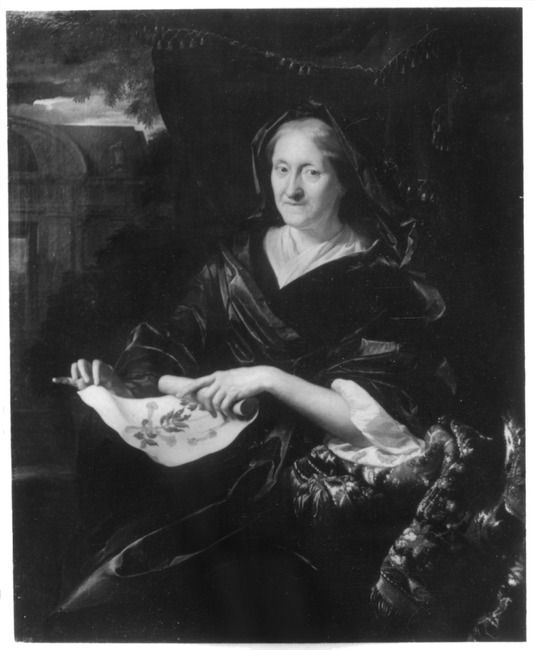
Agnes Block 1629 - 1704
Flower goddess of the Low Countries on the Vecht.
Cultivating the first European pineapple is not her only achievement and contribution to science. She claimed that she had grown more than two hundred seeds to maturity in a single year.
She was so well-informed about the latest scientific botanical developments and possessed specialist literature in various languages. She approached botany in a scientific manner and had her own collection meticulously documented. About twenty artists were commissioned to capture the plants and flowers she cultivated from life in approximately 400 watercolors.
Country estate Vijverhof on the Vecht near Nieuwersluis (now Flora Batava) was therefore not just a random collection of artists, but a select group of experienced botanical artists.
Among the artists were: Pieter Withoos, Alida Withoos, Maria Sybilla Merian, Pieter Holsteyn II, Johannes Bronkhorst, Herman Hengstenburgh, Herman Saftleven, Maria Monickx, Jan Monickx, Johanna Helena Herolts-Graff (daughter of Maria Sybilla Merian), & Otto Marseus van Schrieck.
Agnes contributed to the Monickx Atlas.